
The Soul of Japandi: Where Two Worlds Collide
What Exactly is Japandi?
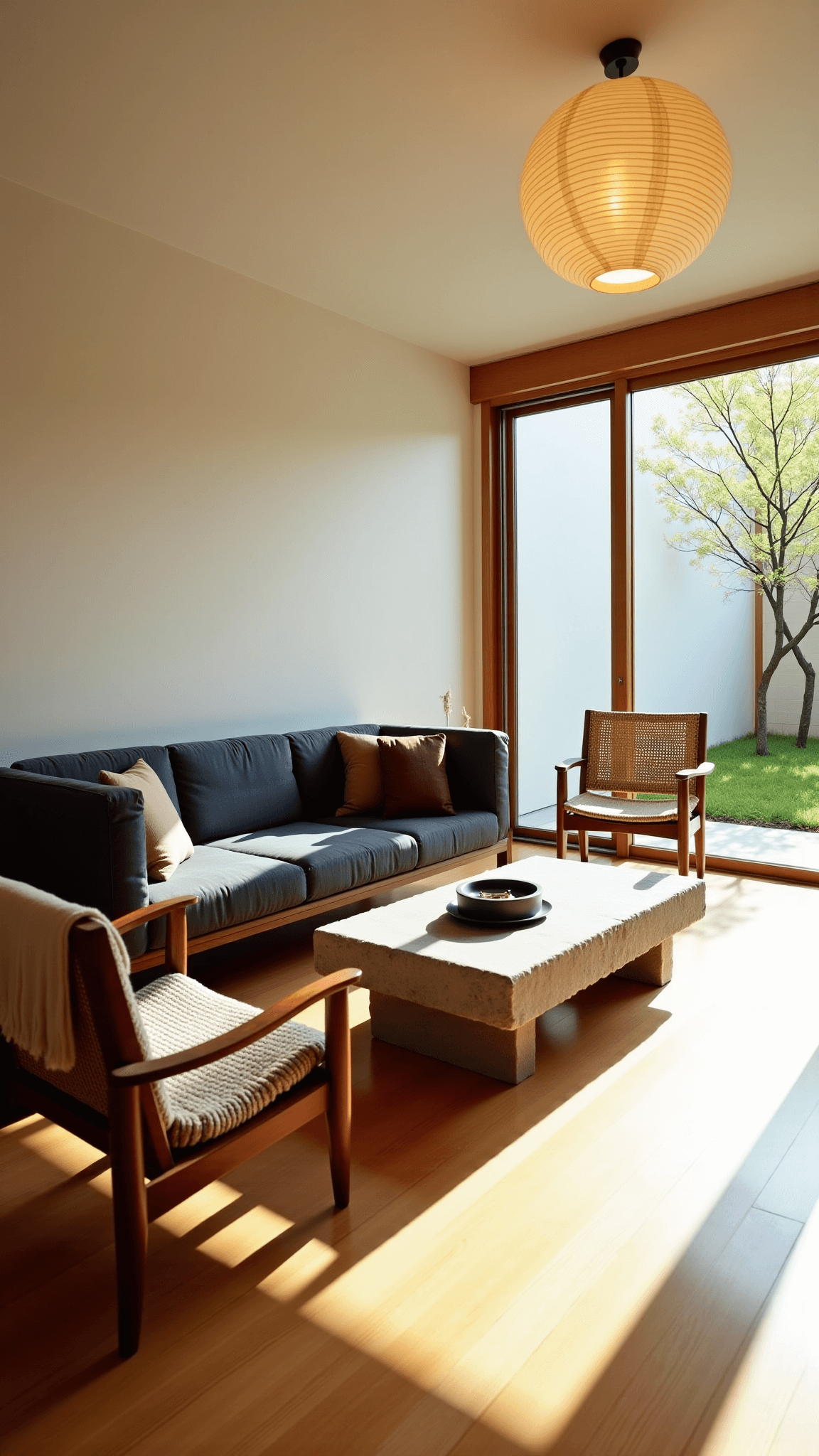
Japandi architecture is the opposite of the showroom, calm and honest. Japandi architecture shows in raw plaster, pale wood, and light that moves through the day.
The Philosophical Foundations
Two powerful design concepts dance at the heart of Japandi:
– Wabi-Sabi: Finding beauty in imperfection
– Hygge: Creating spaces that feel incredibly cozy and welcoming
Architectural Signatures: The Japandi Blueprint
Structural Zen
Japandi doesn’t just design spaces – it crafts experiences:
– Clean, Uncluttered Lines: No unnecessary frills
– Spacious Layouts: Every inch has a purpose
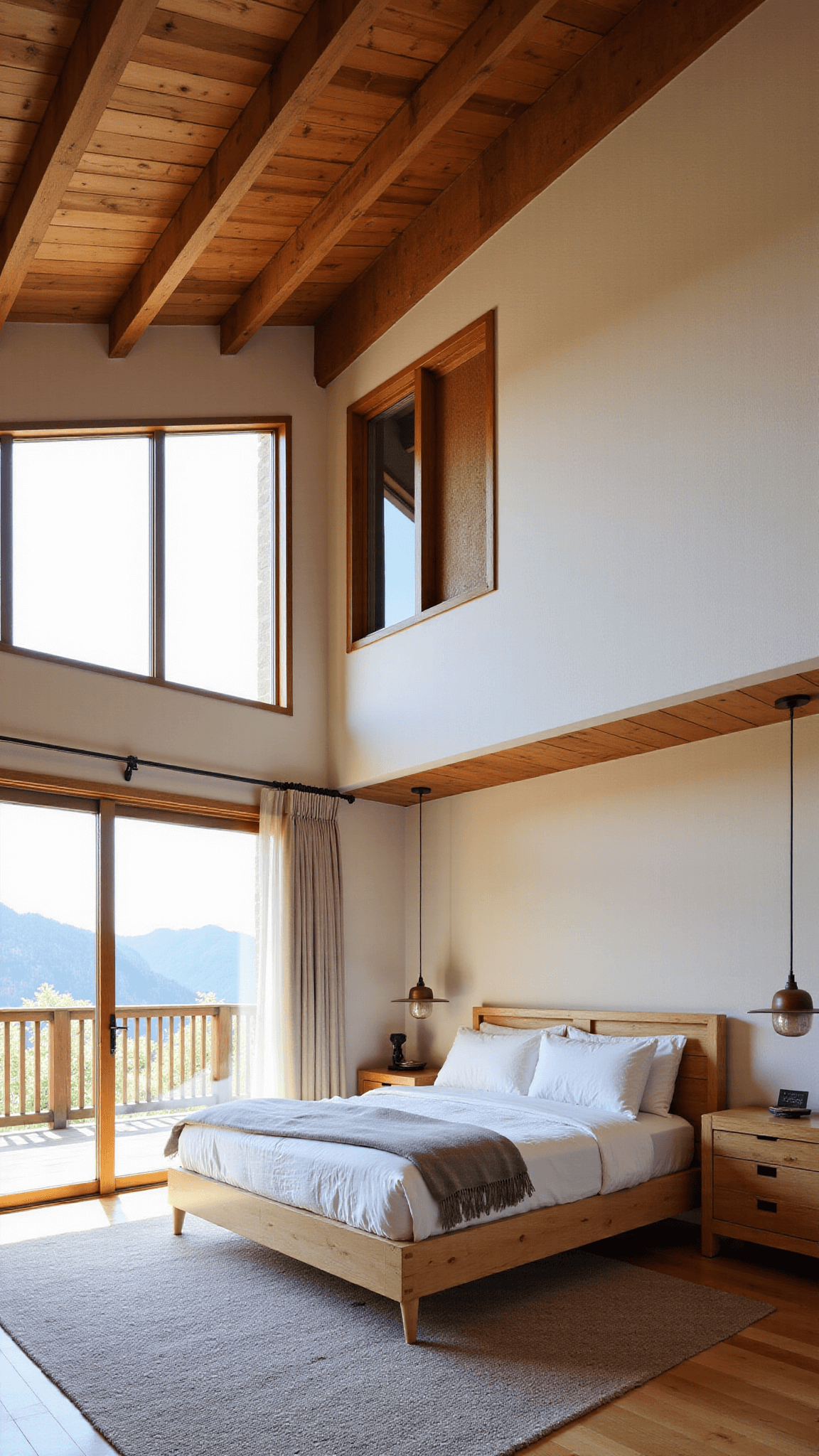
– Nature-Embracing Windows: Blurring indoor and outdoor boundaries
– Sliding Doors: Creating fluid, adaptable living environments
Material Poetry
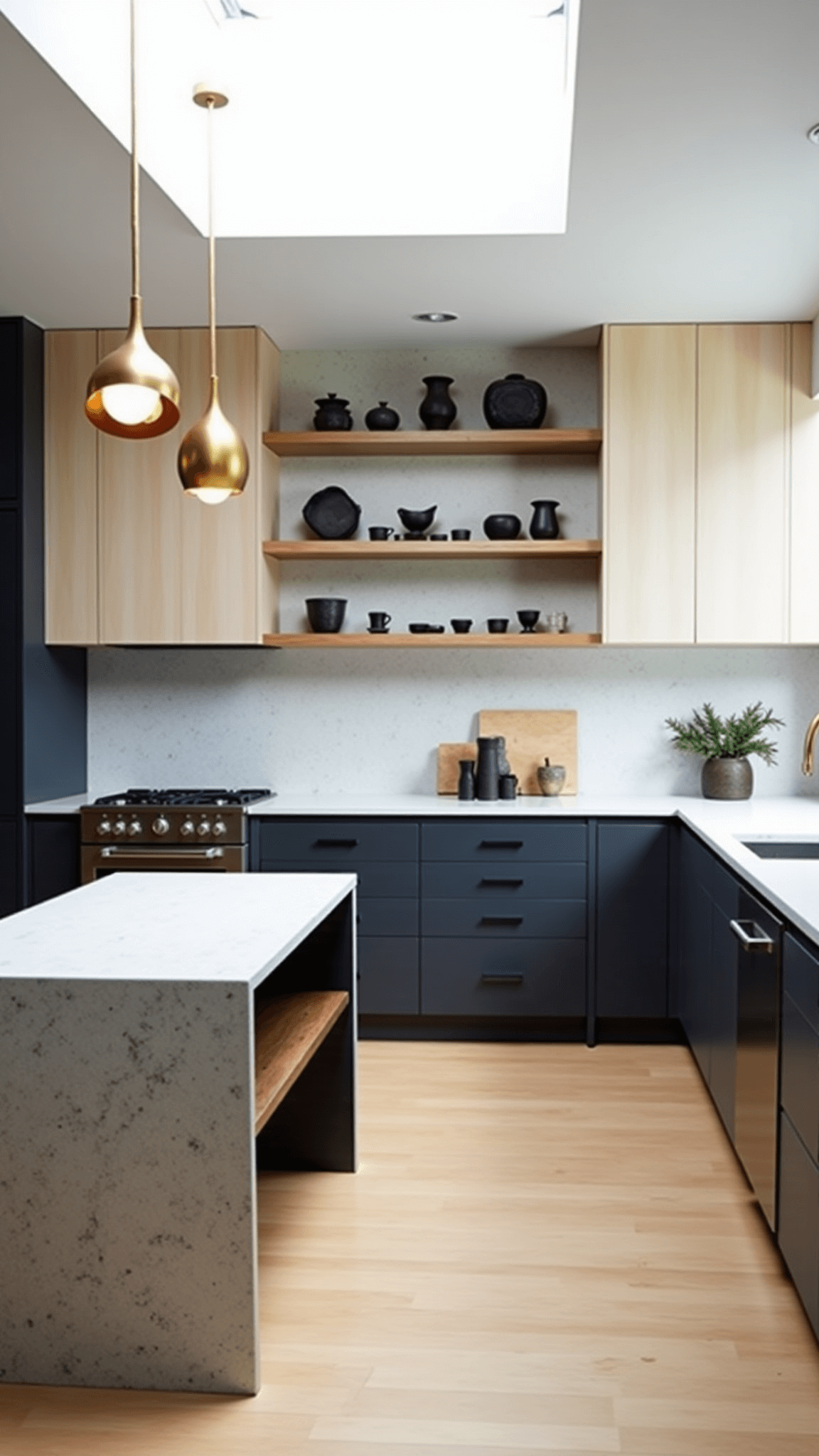
The materials in Japandi speak a language of simplicity:
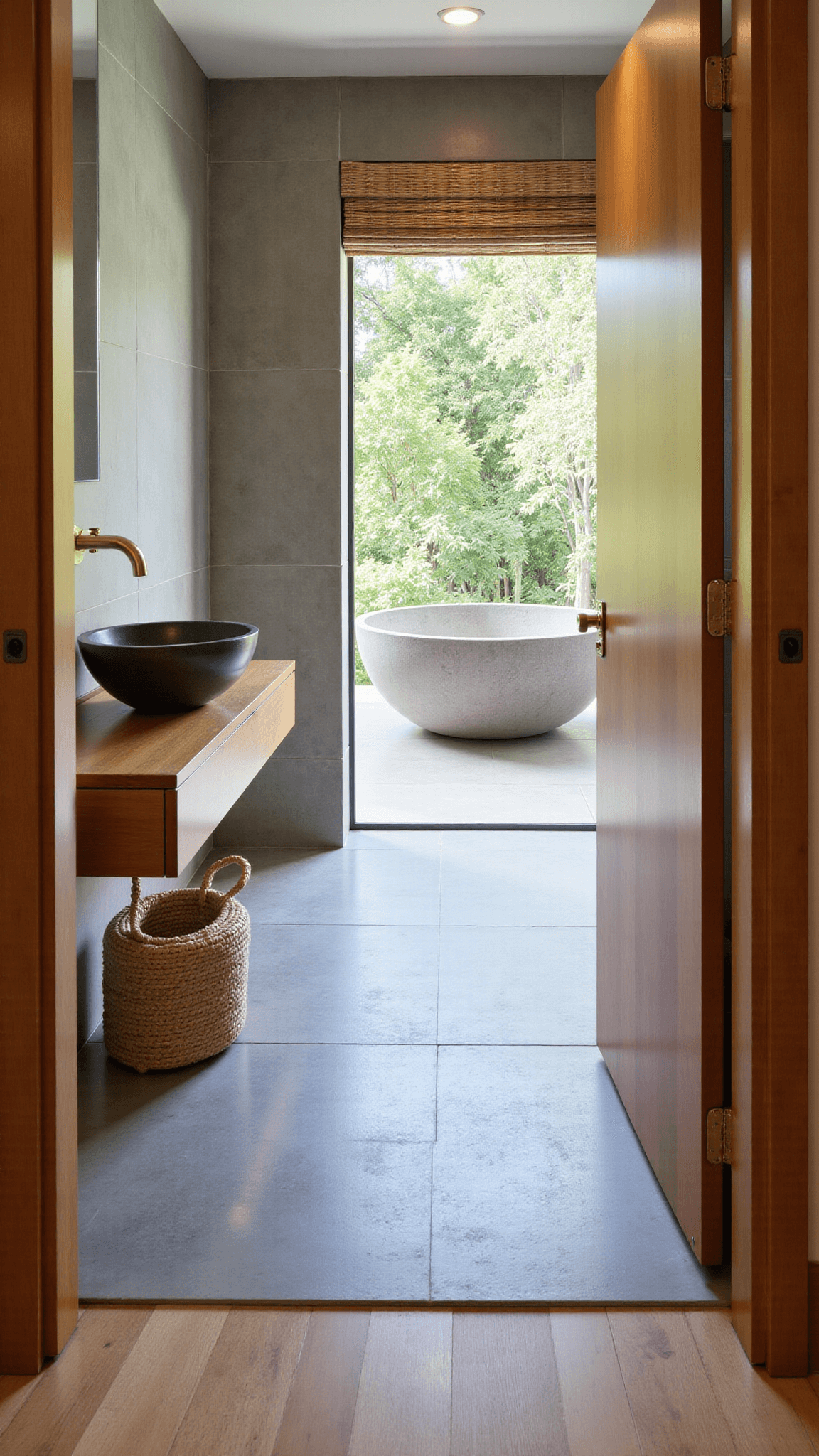
– Natural wood tones
– Stone elements
– Neutral color palettes
– Handcrafted details that tell a story
Why Japandi Just Works
It’s like a perfect culinary fusion – Japanese precision meets Scandinavian warmth.
Design Alchemy:
– Japanese sleekness softens Nordic minimalism
– Neutral colors prevent spaces from feeling cold
– Shared respect for craftsmanship
– Celebration of intentional living
Real-World Japandi: More Than a Trend
Japandi isn’t just for design magazines. It’s transforming:
– Homes
– Restaurants
– Boutique spaces
– Creative studios
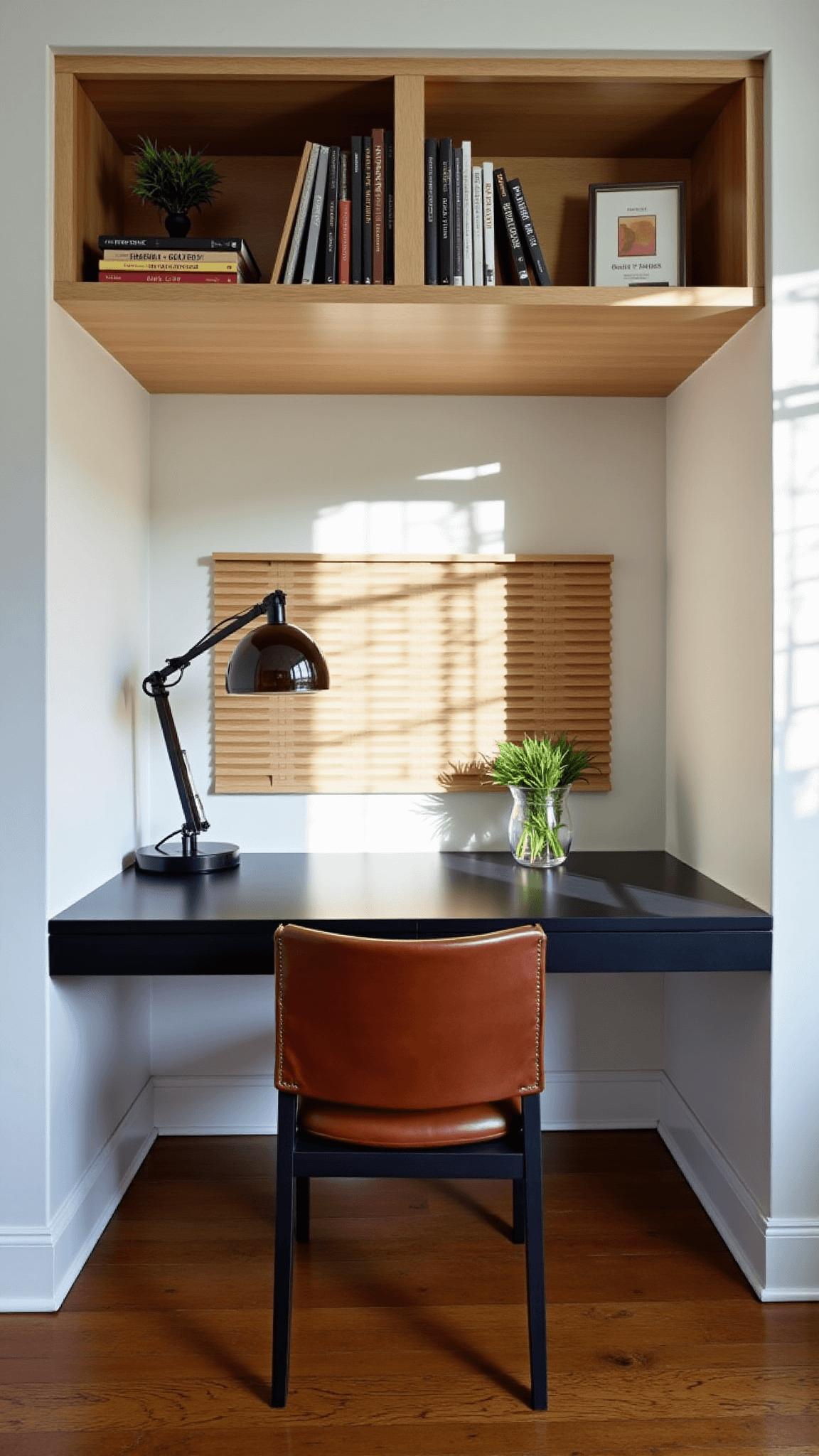
Pro Tips for Embracing Japandi
Want to bring Japandi into your life? Here’s how:
– Choose furniture with clean, functional lines
– Stick to a neutral color palette
– Incorporate natural materials
– Prioritize quality over quantity
– Let natural light be your primary design element

Notable Japandi Design Pioneers
Some rockstars pushing Japandi boundaries:
– Norm Architects
– Keiji Design
– Daytrip Studio
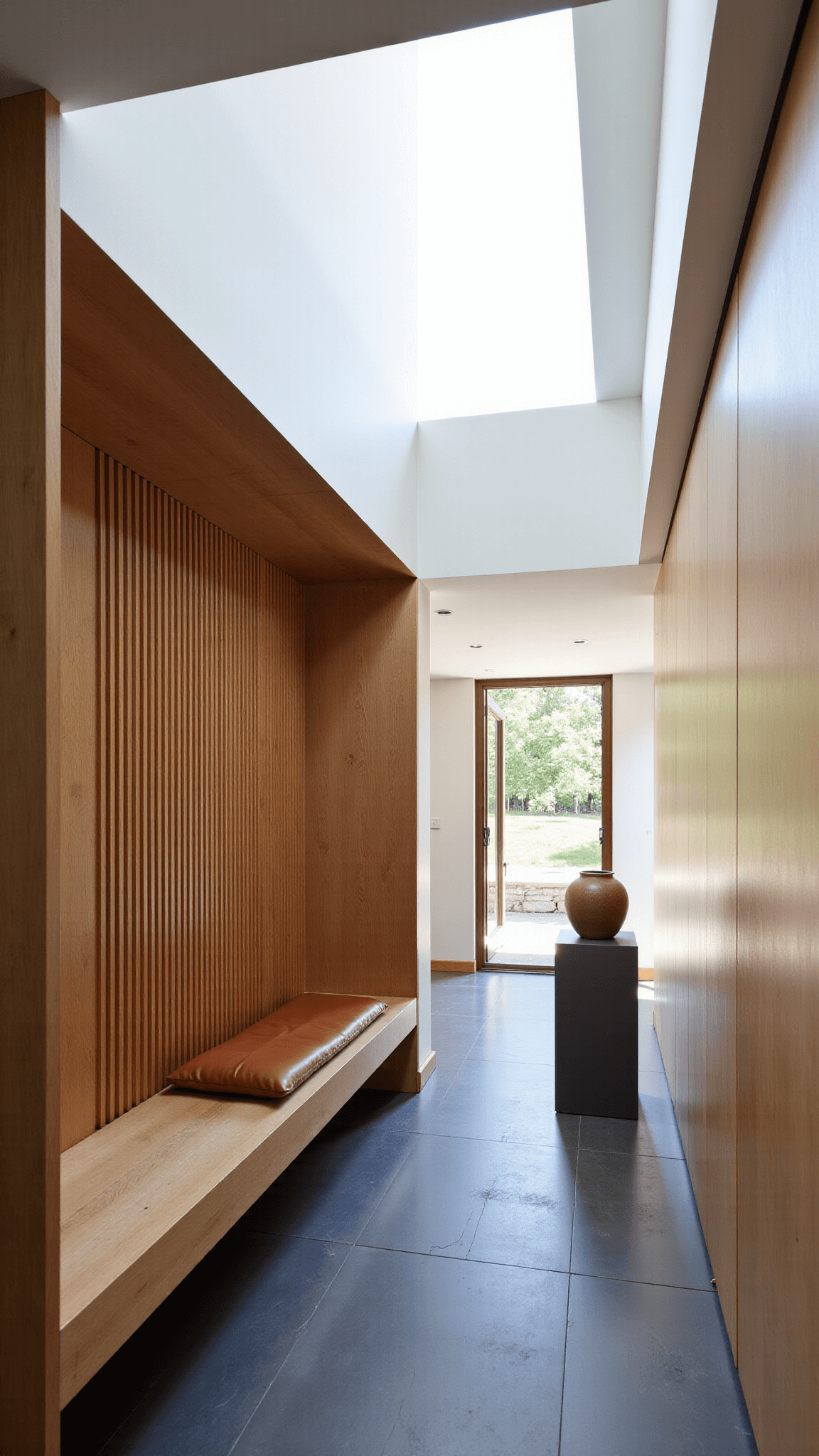
The Bigger Picture
Japandi is more than an aesthetic – it’s a lifestyle philosophy. It’s about creating spaces that:
– Breathe
– Inspire
– Connect us to our environment
– Promote mindful living
Leave one material unfinished. These pieces give the building a sense of time.


