
Are you tired of sterile, cookie-cutter spaces that feel cold and lifeless?
Wabi sabi architecture holds when the form is simple and the finish is left to time. Wabi sabi architecture reads as grounded because the imperfections are part of the build, not a flaw to fix.
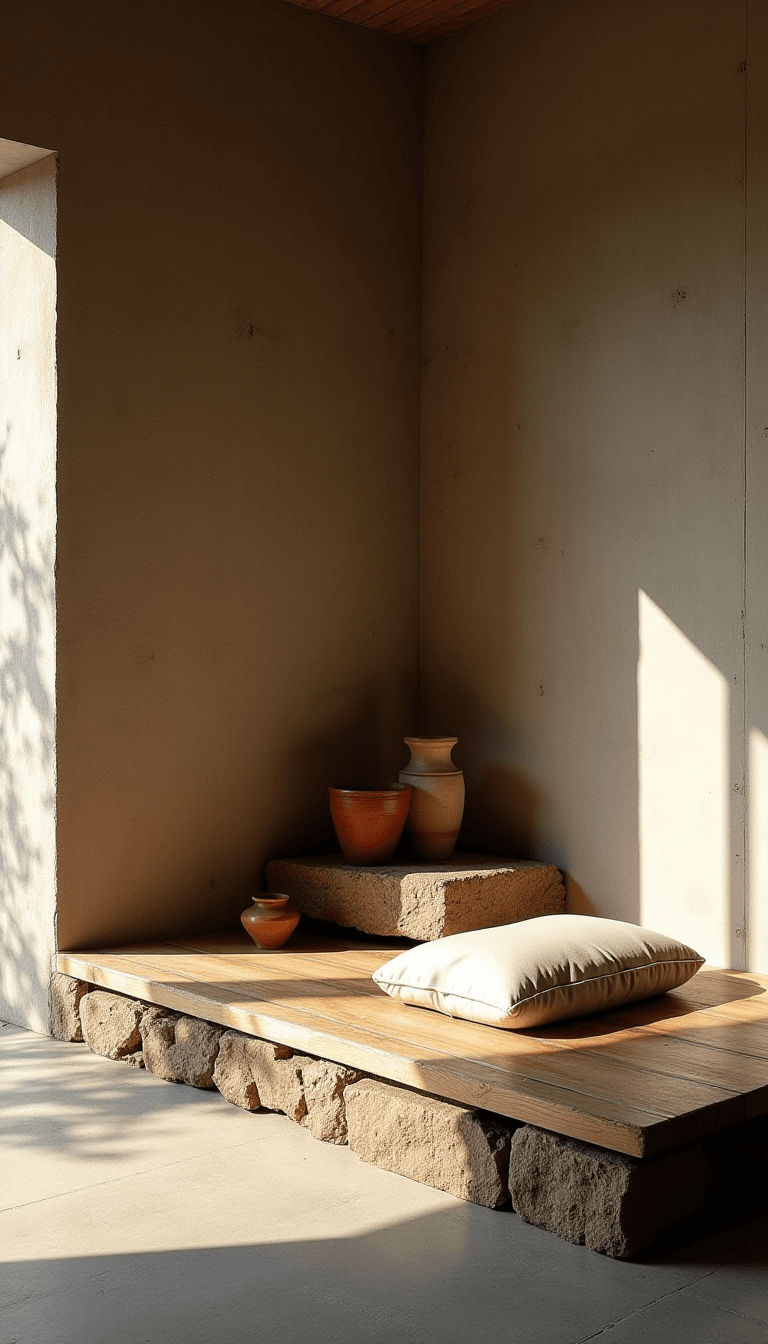
What Exactly is Wabi-Sabi Architecture?
Imagine walking into a space that tells a story. A space where every crack, every weathered surface, and every asymmetrical line speaks of history, character, and natural beauty. That’s the heart of wabi-sabi architecture.
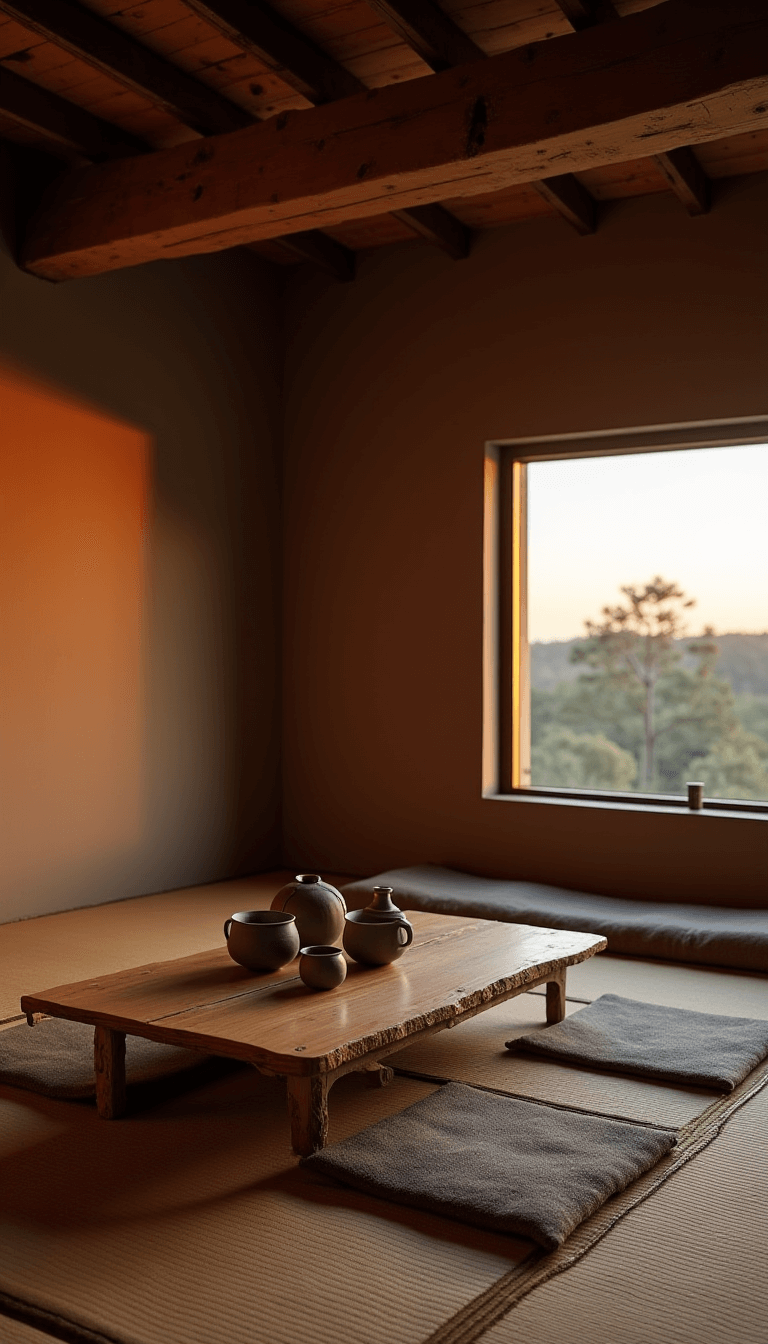
Key Characteristics That Define Wabi-Sabi Design
1. Embracing Imperfection
- Celebrates natural wear and tear
- Finds beauty in asymmetry
- Rejects artificial perfection
- Honors the unique journey of materials
2. Material Selection
Wabi-sabi architecture isn’t about fancy finishes. It’s about raw, honest materials that showcase their true nature:
- Untreated wood with visible grain
- Natural stone with irregular textures
- Handcrafted ceramics
- Rough-hewn textiles
- Materials that age gracefully
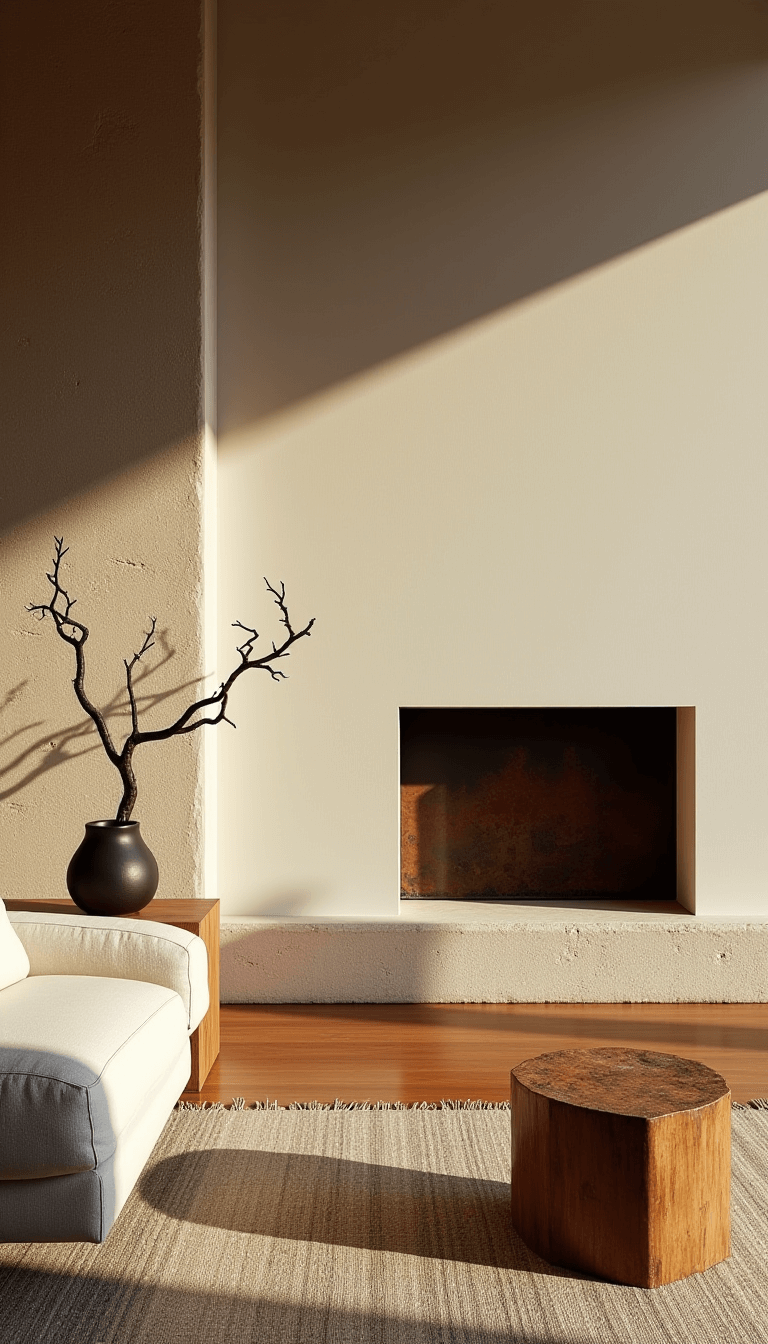
3. Color Palette: Nature’s Whispers
Forget bright, screaming colors. Wabi-sabi embraces:
- Soft earth tones
- Muted greys
- Gentle greens
- Calming off-whites
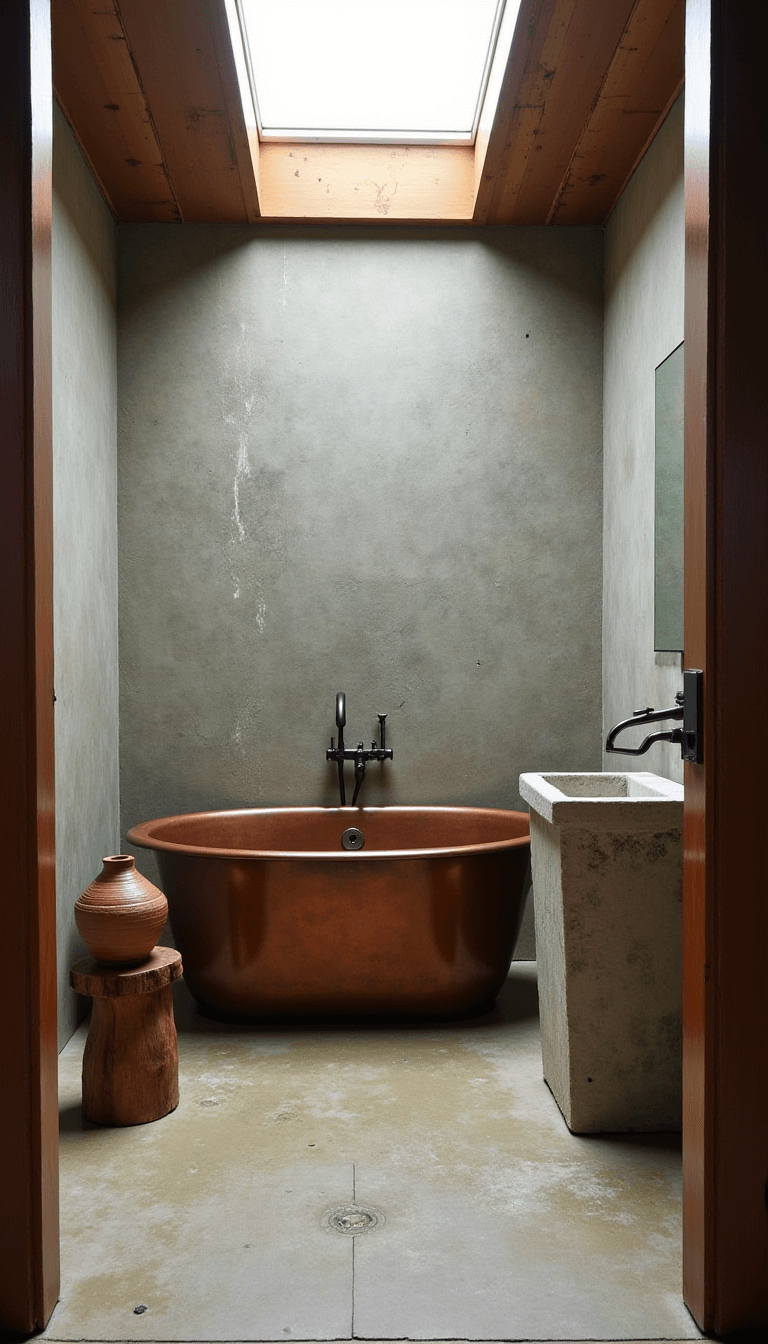
Iconic Examples That Capture the Wabi-Sabi Spirit
- Ise Grand Shrine, Japan: Periodically rebuilt using untreated wood, symbolizing impermanence
- Bruder Klaus Field Chapel, Germany: Walls formed from charred tree trunks, showcasing transformation
- Honpukuji Water Temple: A masterpiece integrating concrete, water, and stone
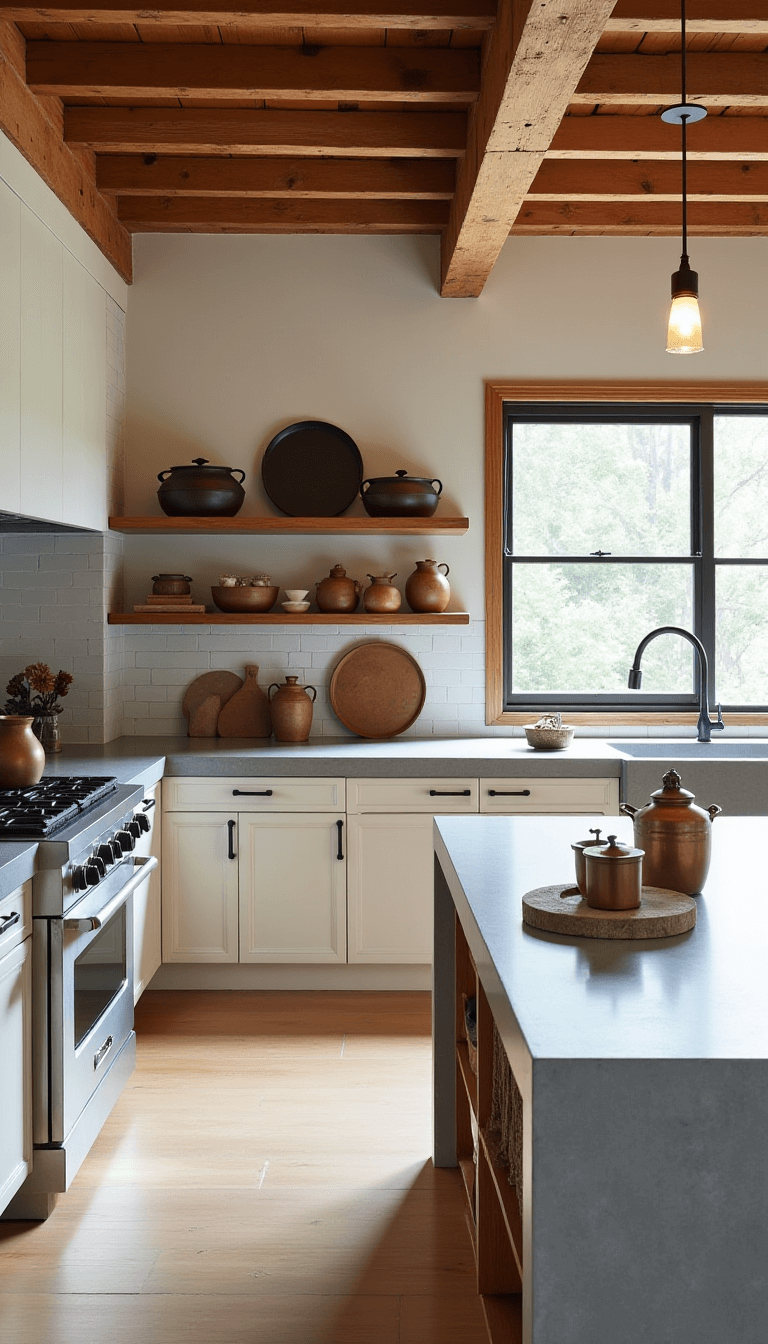
Why Wabi-Sabi Matters in Modern Design
This isn’t about making spaces look old or worn. It’s about creating environments that:
- Feel authentic
- Connect us to nature
- Promote mindfulness
- Celebrate life’s natural cycles
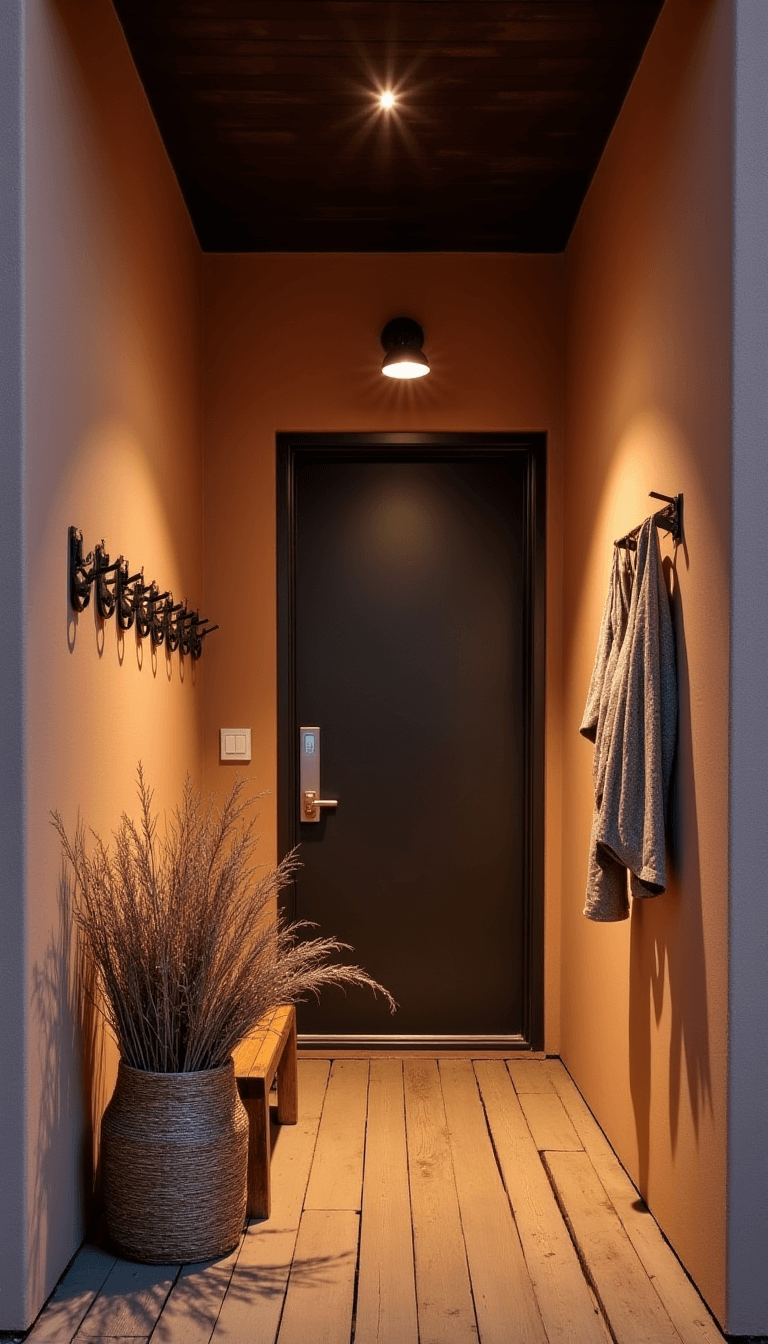
How to Incorporate Wabi-Sabi in Your Space
- Choose materials with natural textures
- Allow objects to show their age
- Prioritize simplicity
- Create breathing room
- Use minimal, meaningful decor
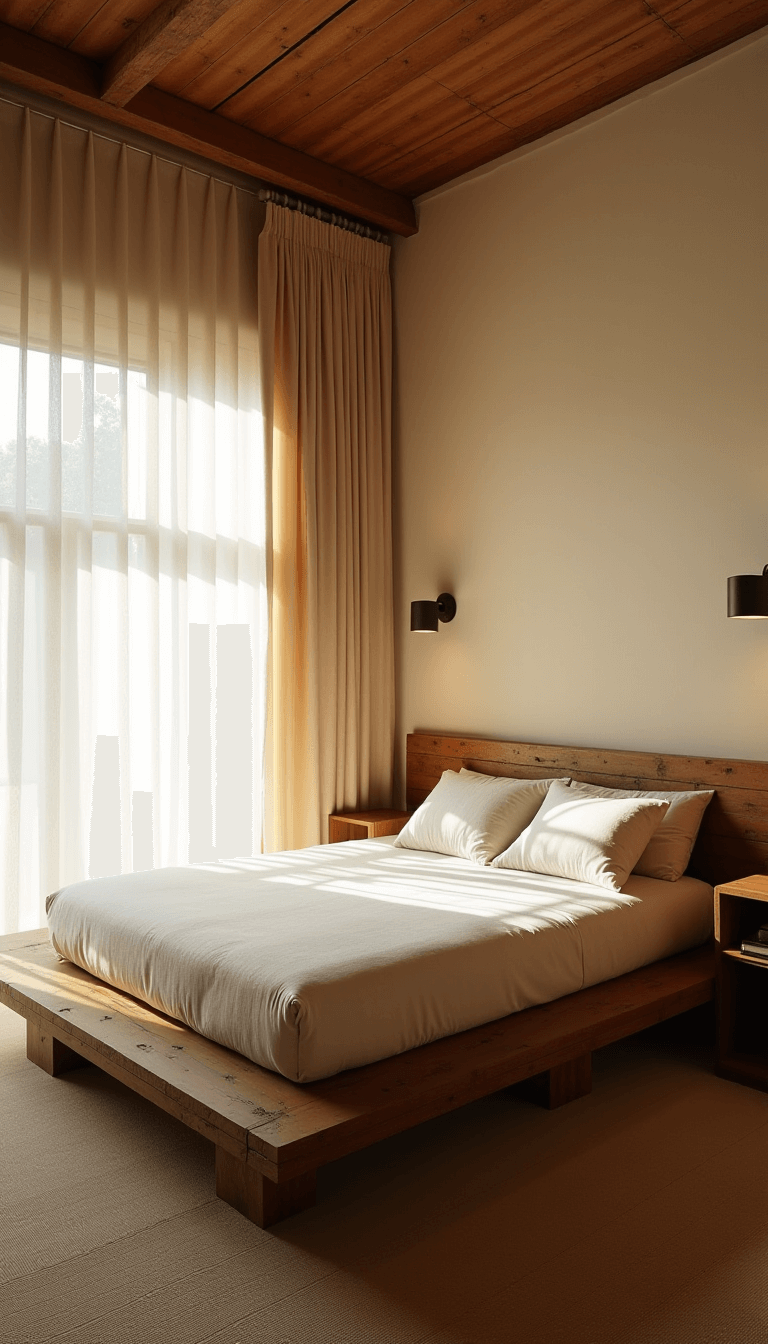
The Deeper Philosophy
Wabi-sabi is more than an architectural style. It’s a profound worldview that teaches us to find beauty in imperfection, transience, and authenticity.
Pro Tip: Don’t confuse wabi-sabi with “shabby” or “unfinished”. It’s a sophisticated approach that requires careful, intentional design.
Final Thoughts
Wabi-sabi architecture invites us to slow down, breathe, and appreciate the subtle beauty of imperfection. It’s a design philosophy that transforms spaces from mere structures into living, breathing stories.
Let the patina come on its own. Wabi sabi architecture gains character with use, which is the opposite of a polished finish.


