
Wabi Sabi Photography: Creating Authentic and Imperfect Home Decor Scenes
Wabi sabi architecture holds when the form is simple and the finish is left to time. Wabi sabi architecture reads as grounded because the imperfections are part of the build, not a flaw to fix.
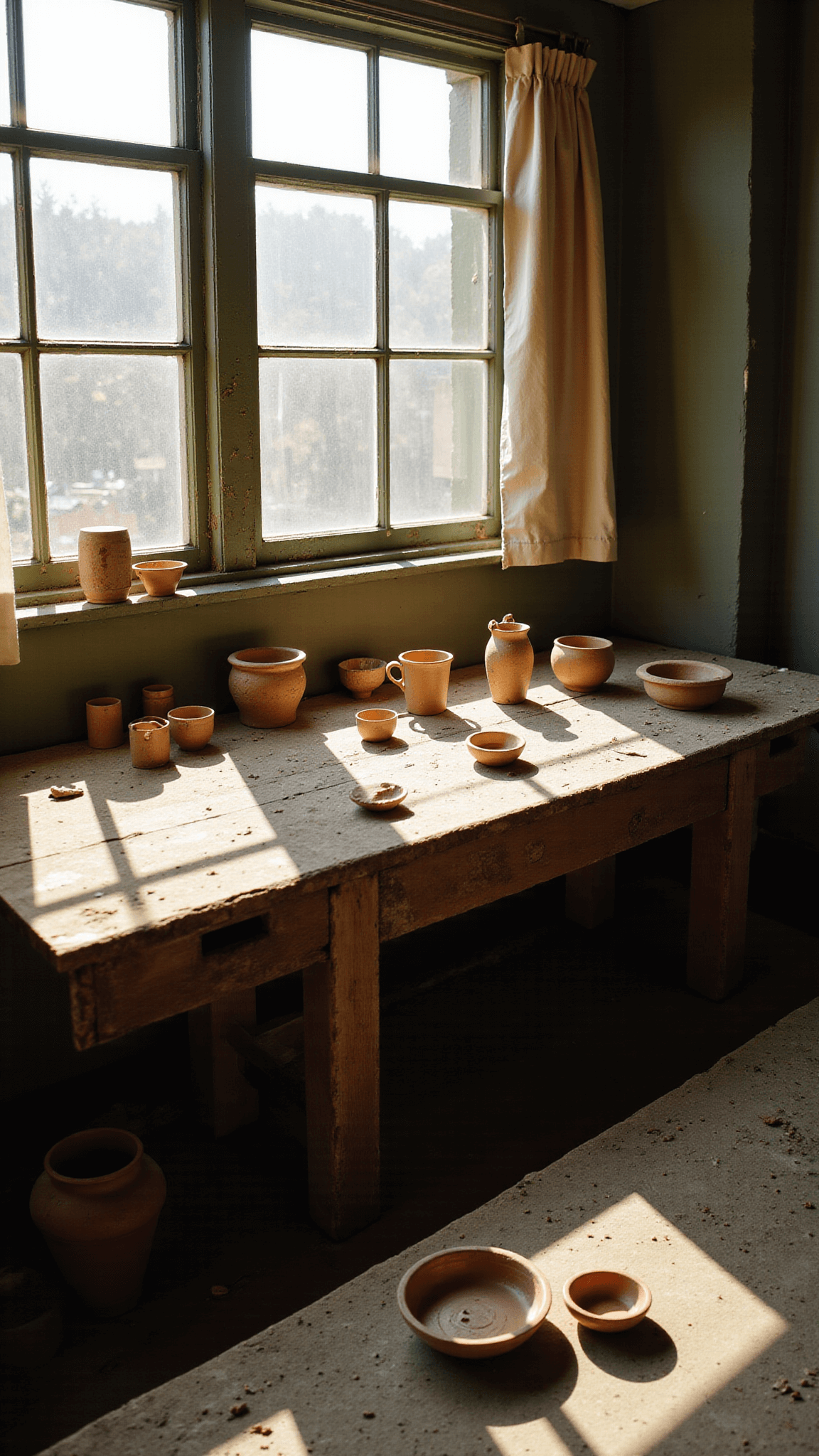
What Exactly is Wabi Sabi Photography?
Wabi Sabi is more than just a photography technique – it’s a philosophy that embraces:
- Imperfection as beauty
- Natural aging and wear
- Minimalist aesthetic
- Organic textures and materials
Why This Style Matters
Forget those perfectly staged Instagram shots. Wabi Sabi is about telling a real story through your images – one that feels lived-in, genuine, and wonderfully human.
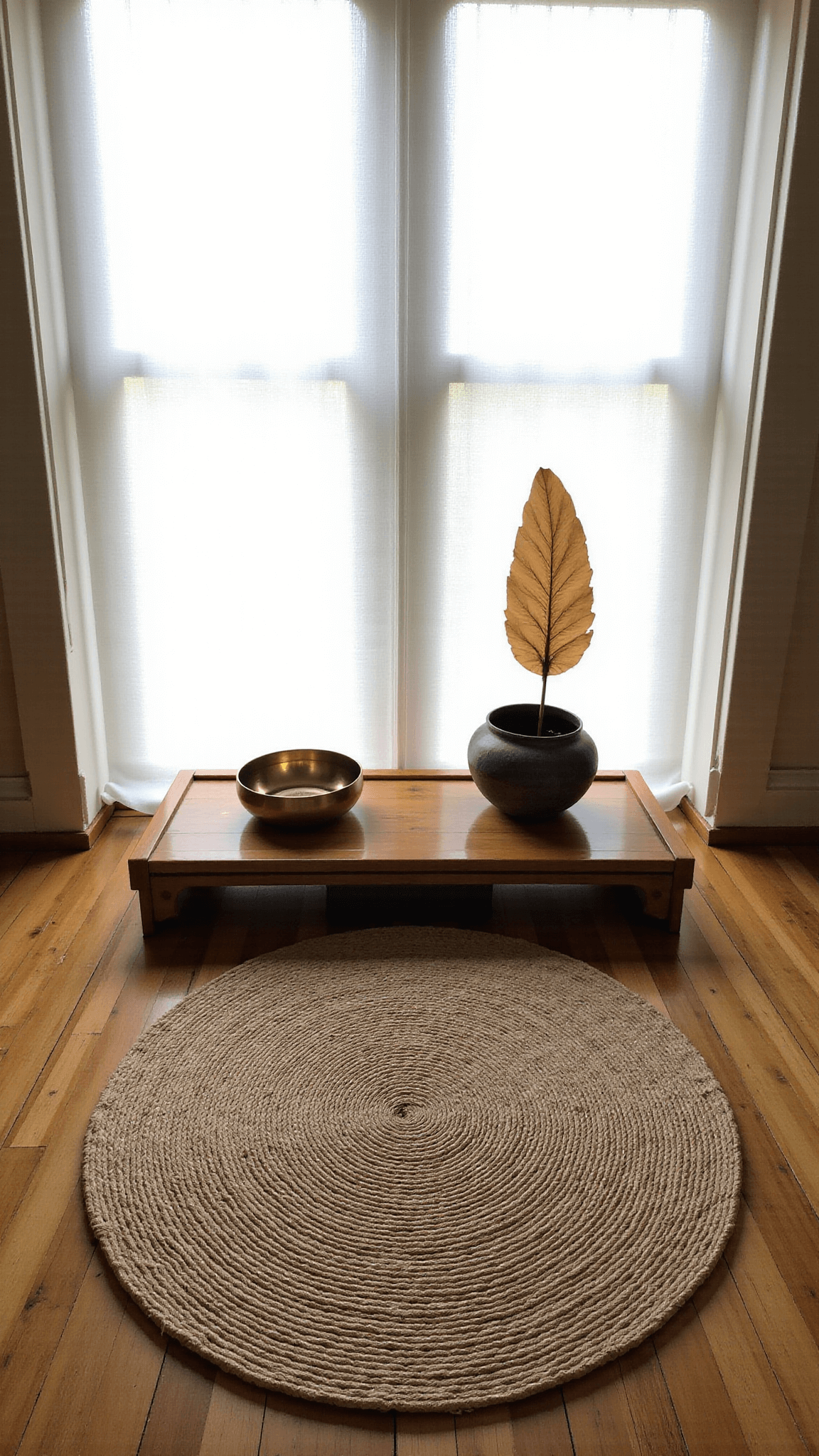
Essential Tools for Wabi Sabi Photography
Camera Gear
- Smartphone (12MP+)
- DSLR/mirrorless camera
- Soft natural lighting
- Neutral background materials
Must-Have Styling Props
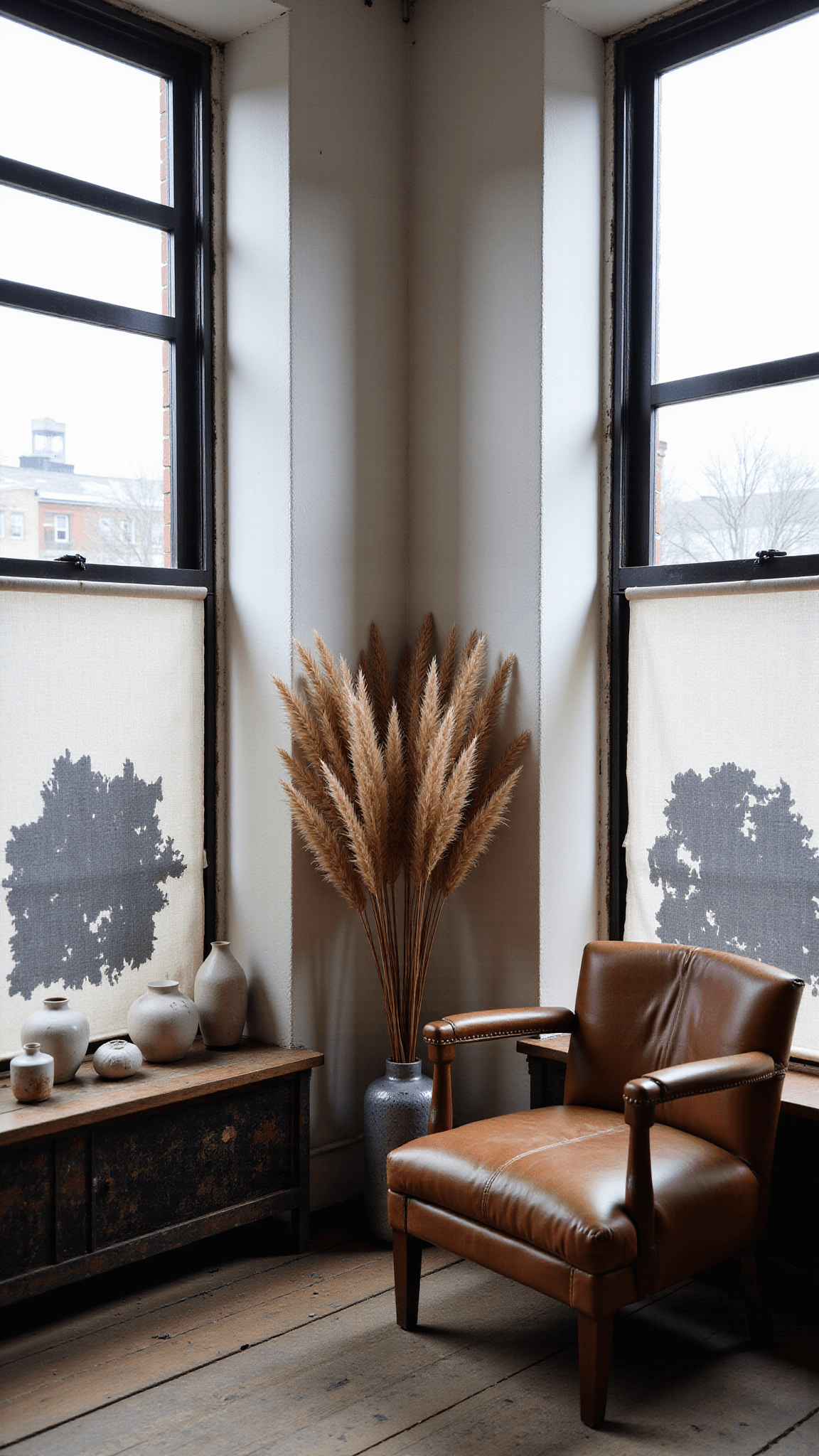
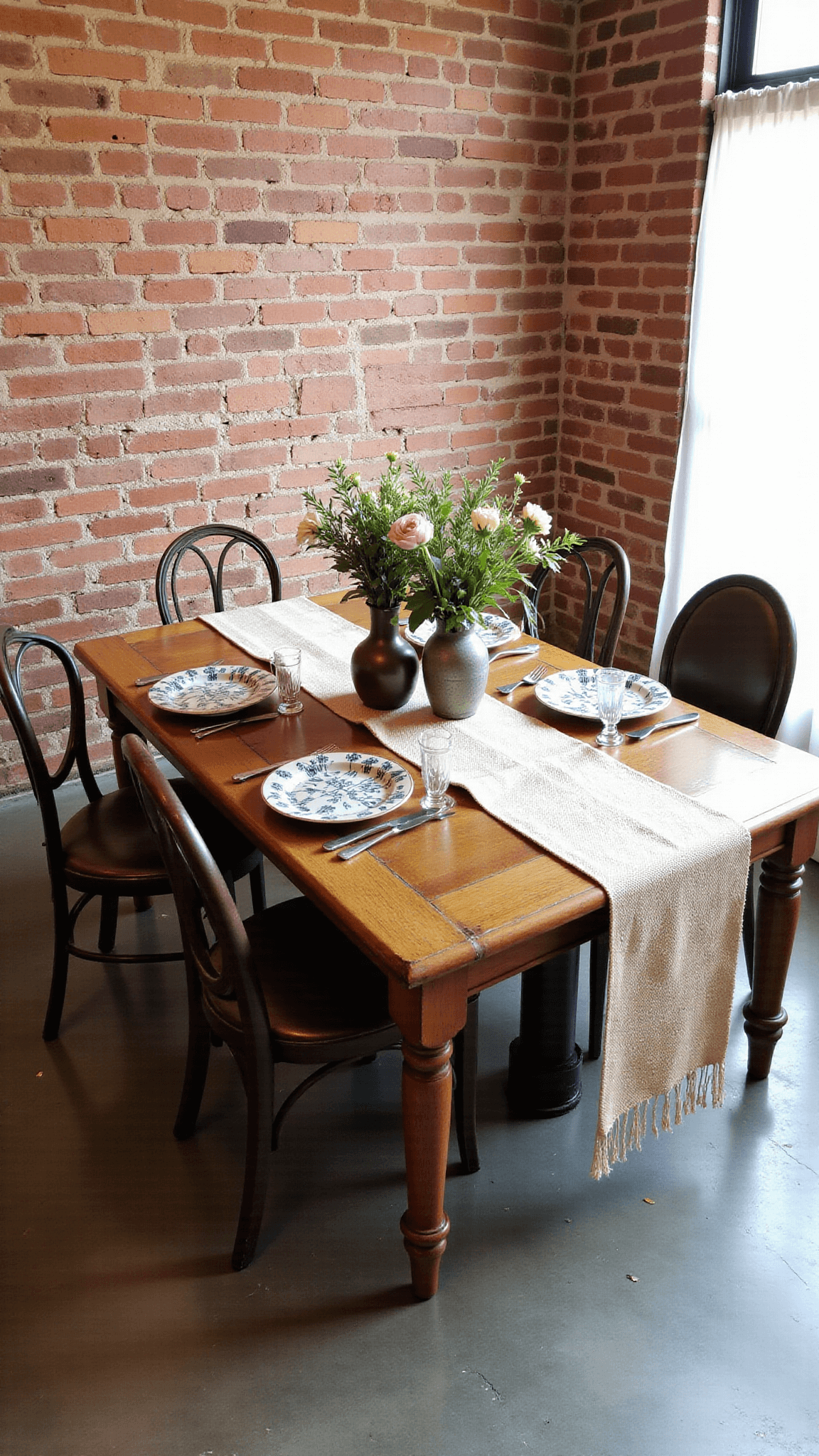
- Aged wood pieces
- Handcrafted ceramics
- Unpolished stone elements
- Vintage textiles
- Dried botanical accents
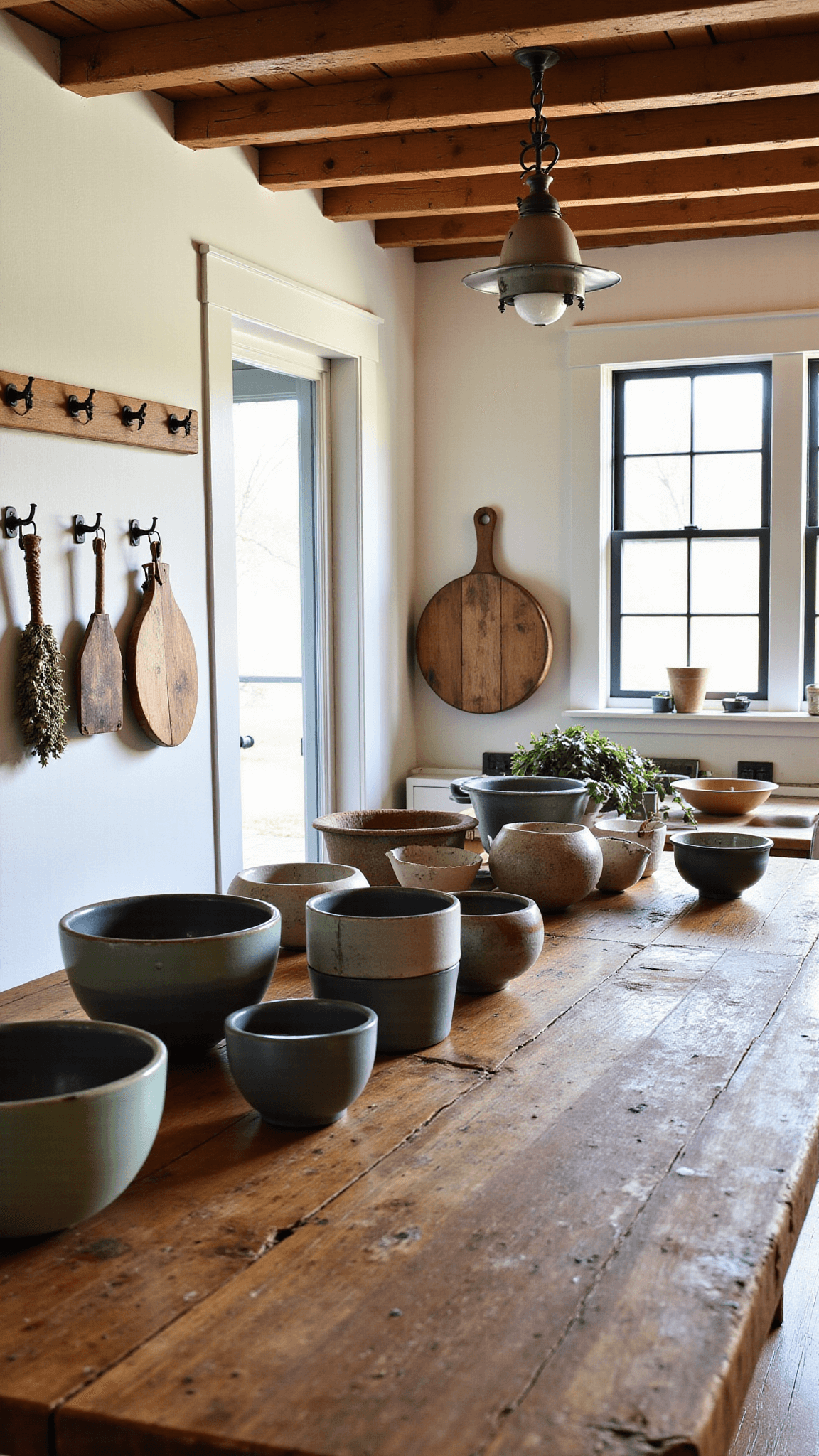
Creating Your Perfect Wabi Sabi Scene
Scene Preparation Tips
- Clear unnecessary clutter
- Choose neutral, textured surfaces
- Arrange props with intentional asymmetry
- Embrace negative space
Photography Techniques
- Shoot during golden hour
- Use soft, diffused lighting
- Focus on texture and subtle details
- Capture from interesting angles (45-90 degrees)
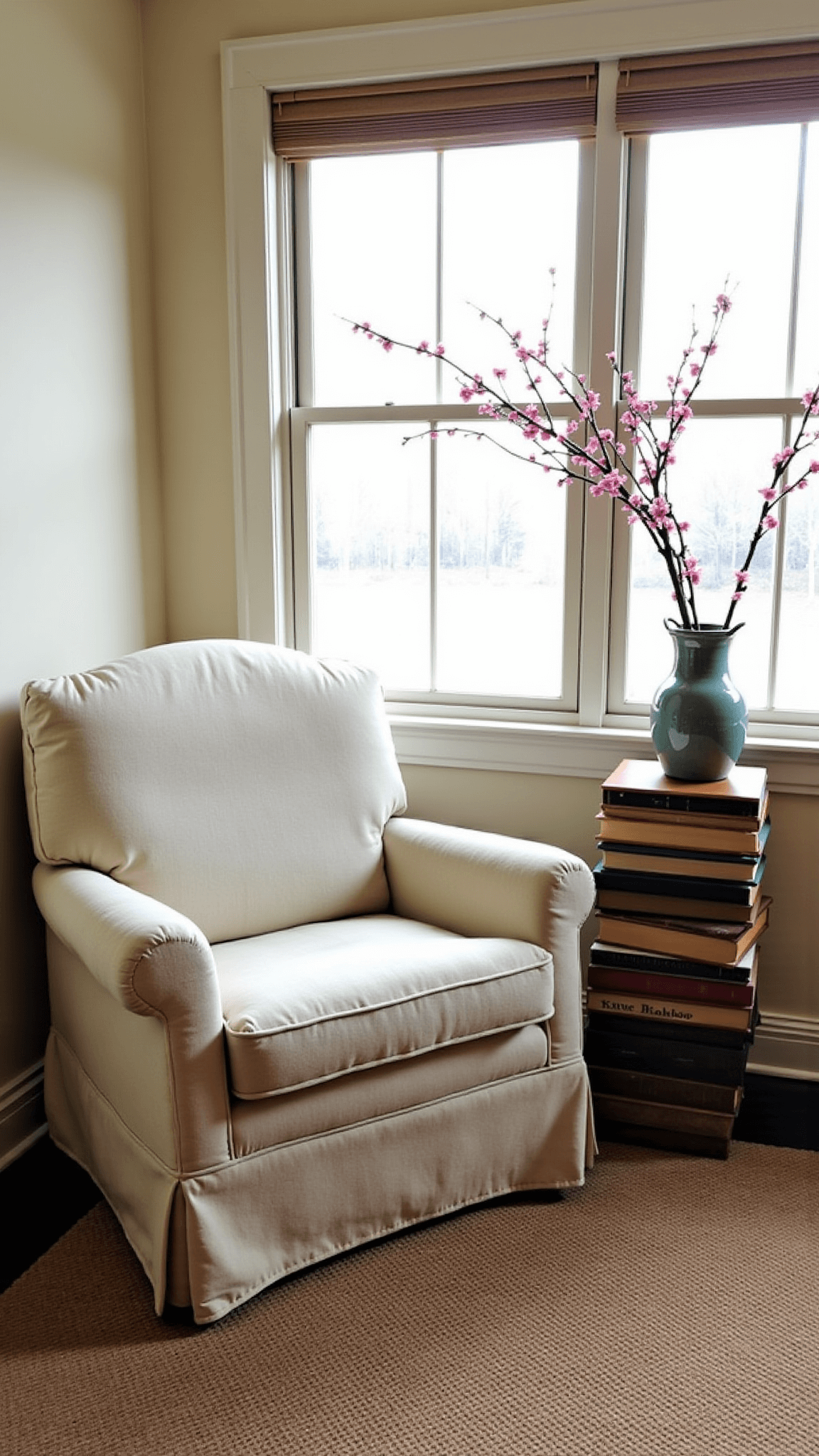
Color and Texture Magic
Color Palette:
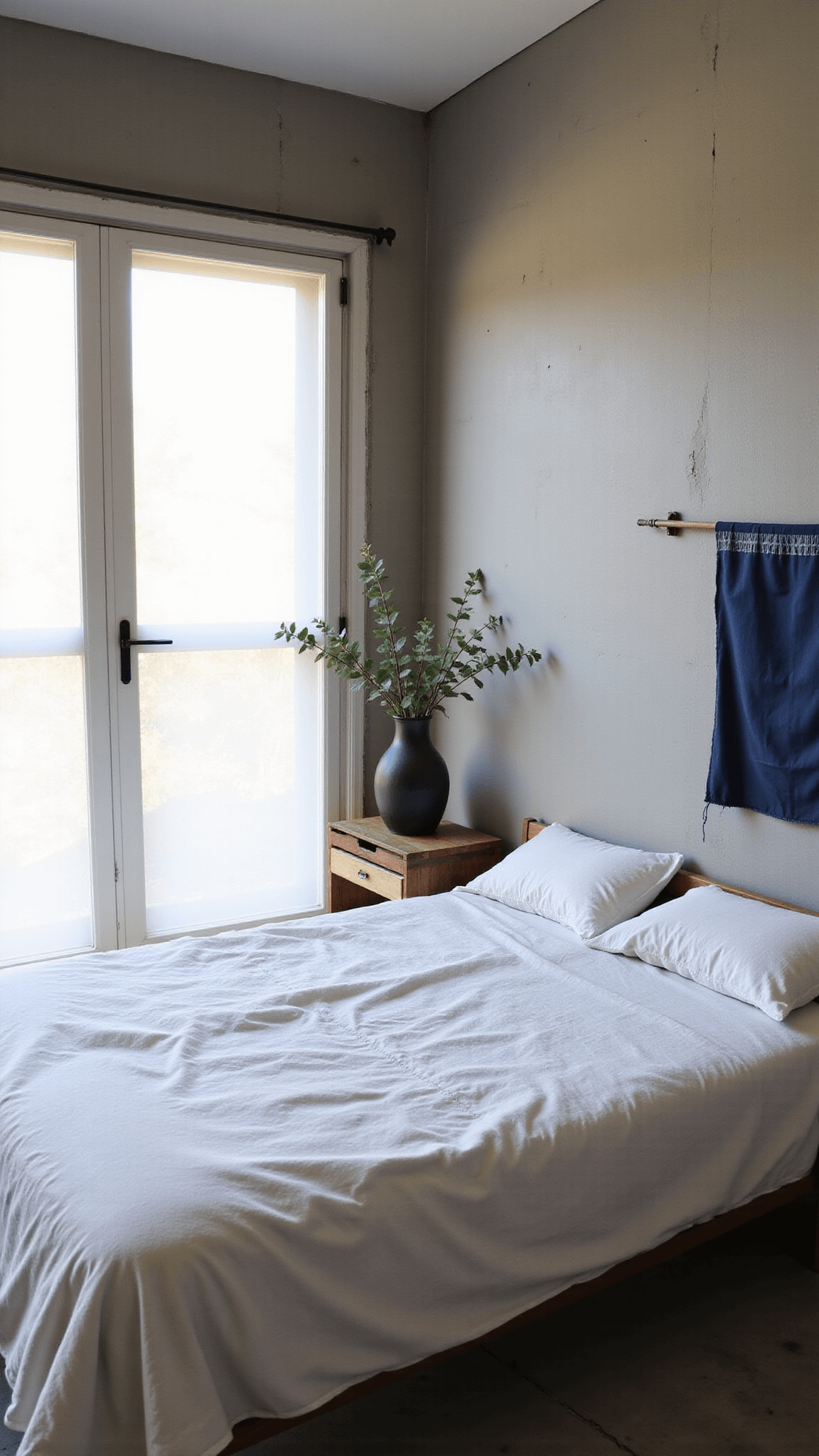
- Soft beige
- Warm browns
- Muted greens
- Gentle grays
Texture Layering:
- Combine rough wood
- Smooth stone surfaces
- Soft linen fabrics
- Natural wool textures
Pro Editing Secrets
Recommended Editing Apps
- Adobe Lightroom
- VSCO
- Snapseed
Editing Guidelines
- Reduce saturation
- Enhance natural textures
- Maintain soft, warm tones
- Preserve original lighting characteristics
Budget-Friendly Alternatives
Not everyone has a professional setup. Here are wallet-friendly options:
- Use window light instead of studio lights
- Shop at flea markets for unique props
- Repurpose existing home items
- Collect natural elements like driftwood or stones
Common Mistakes to Avoid
- ❌ Over-styling your scene
- ❌ Using harsh, artificial lighting
- ❌ Eliminating all imperfections
- ❌ Cluttering your composition
Final Thoughts
Wabi Sabi photography isn’t about perfection – it’s about authenticity. It’s telling a story through subtle textures, muted colors, and embracing life’s beautiful imperfections.
Pro Tip: The most stunning images often come from the most unexpected, slightly worn, wonderfully imperfect moments.
Quick Checklist Before Shooting
- Natural light ✓
- Minimal props ✓
- Interesting textures ✓
- Soft color palette ✓
- Genuine feeling ✓
Let the patina come on its own. Wabi sabi architecture gains character with use, which is the opposite of a polished finish.


