Hey there, fellow home design enthusiasts!
The trick to a room feeling bigger is usually the paint and the lamp, not the floor plan. Color and lighting for illusions of space is light colors that run to the ceiling and task light that lifts the corners.
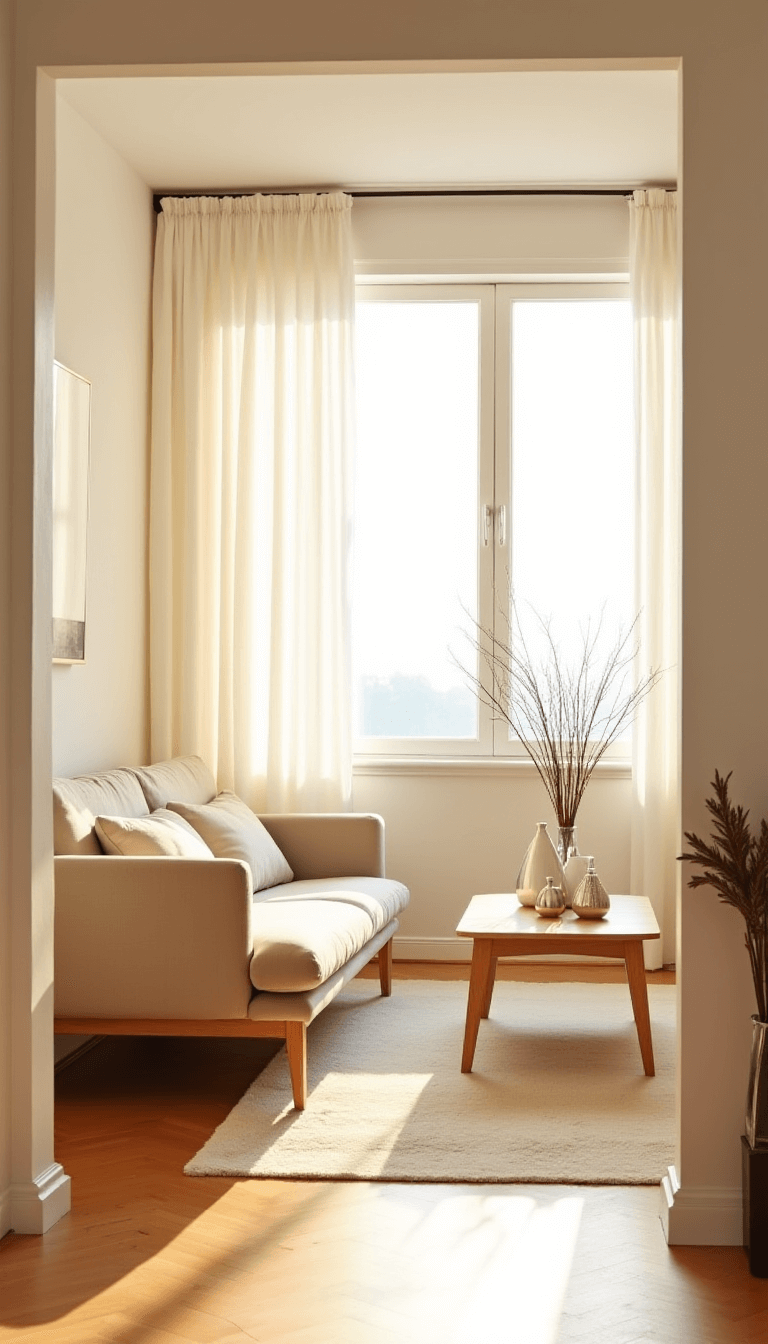
The Psychological Magic of Space Perception
Let me break down how we can trick our brains into seeing rooms differently – without knocking down a single wall.
Color: Your First Spatial Weapon
Colors aren’t just pretty – they’re psychological manipulators. Here’s how they work:
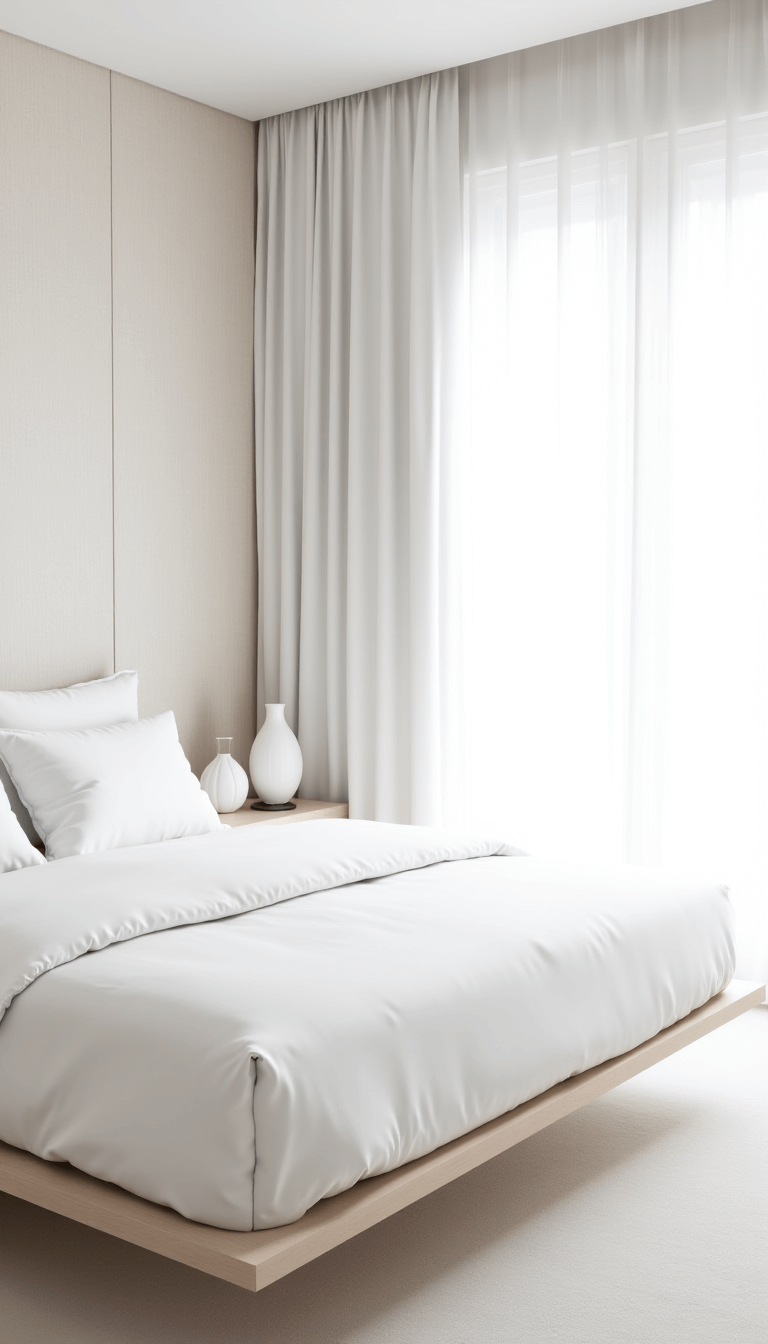
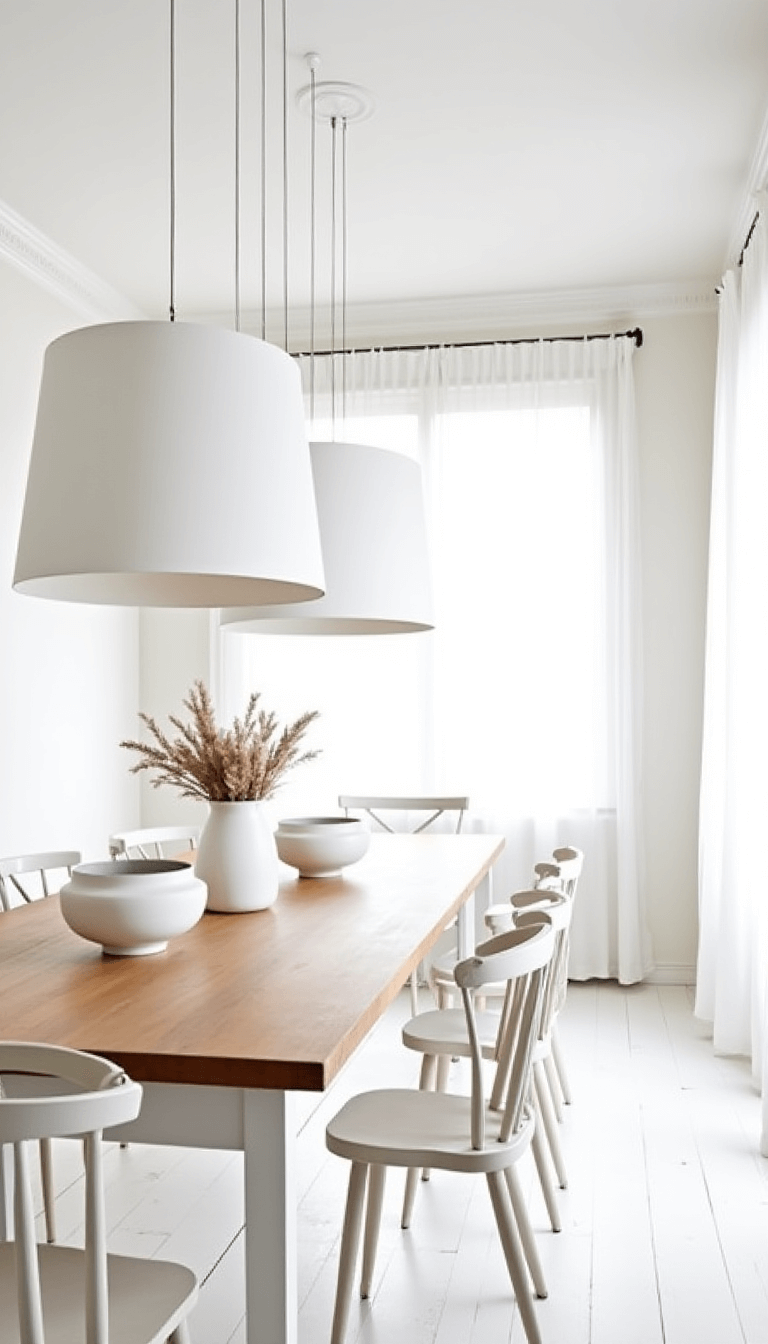
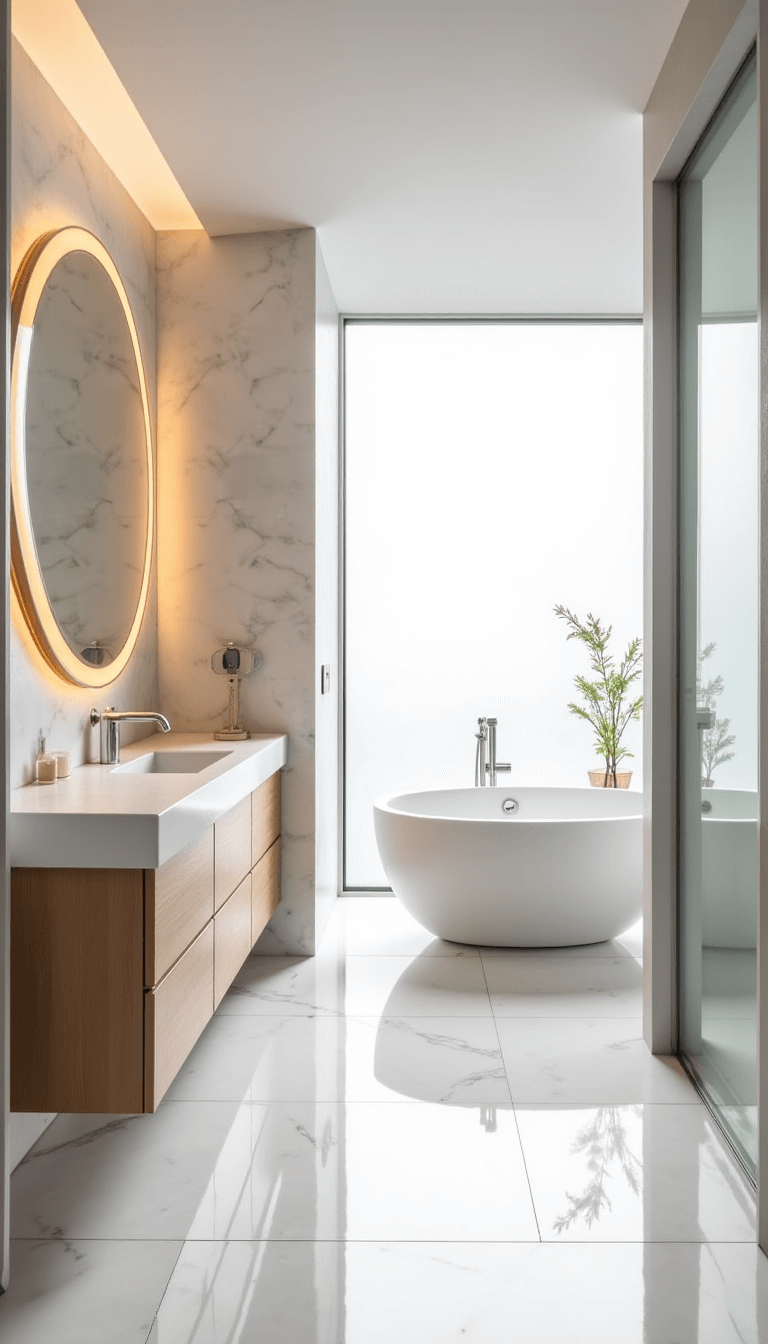
- Light Colors = Visual Expansion
- White makes rooms breathe
- Pale blue creates an airy feel
- Soft green opens up spaces magically
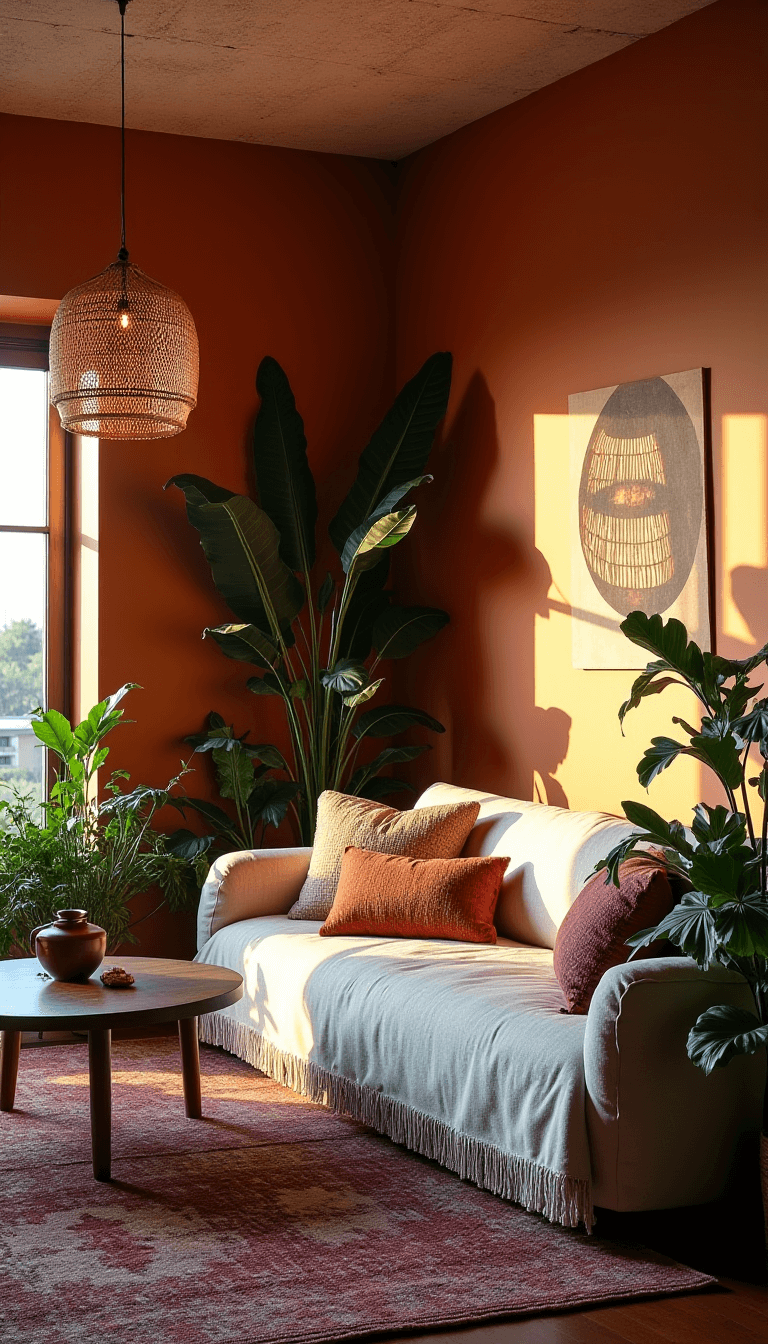
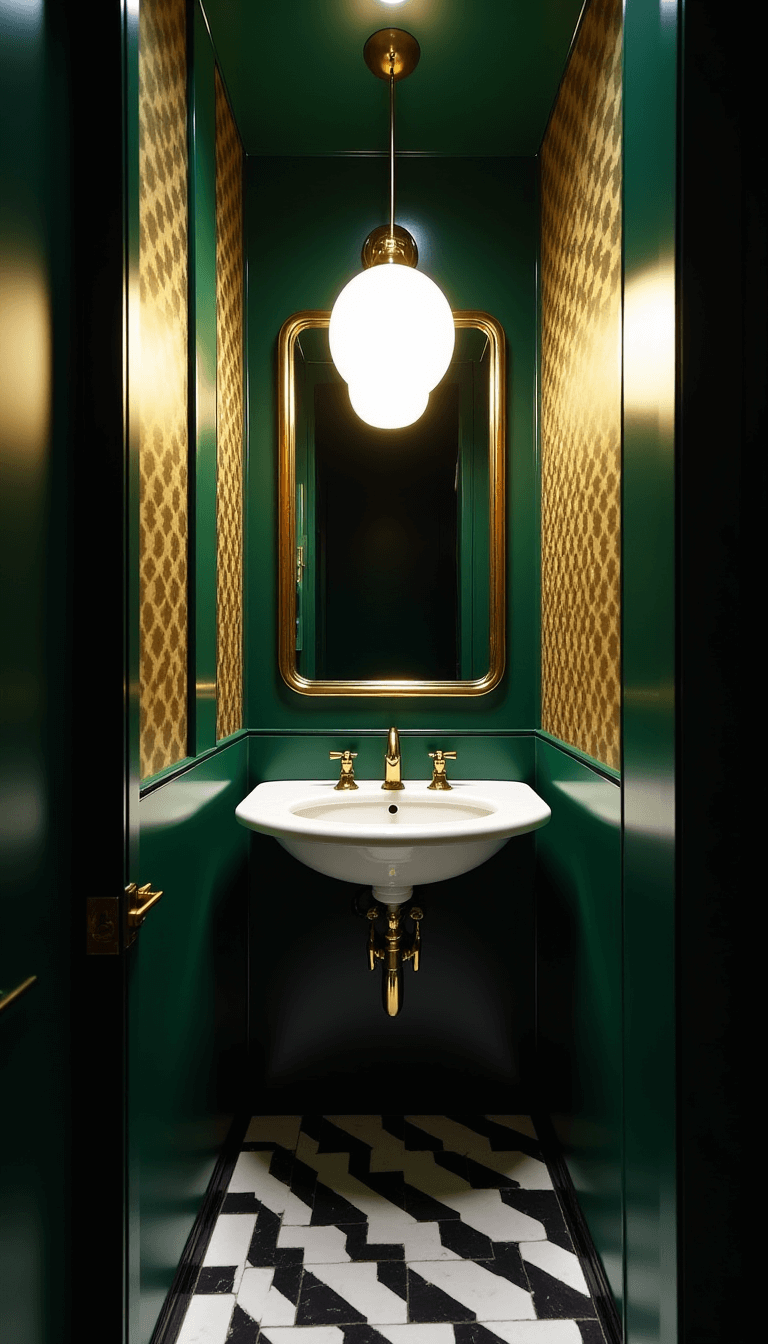
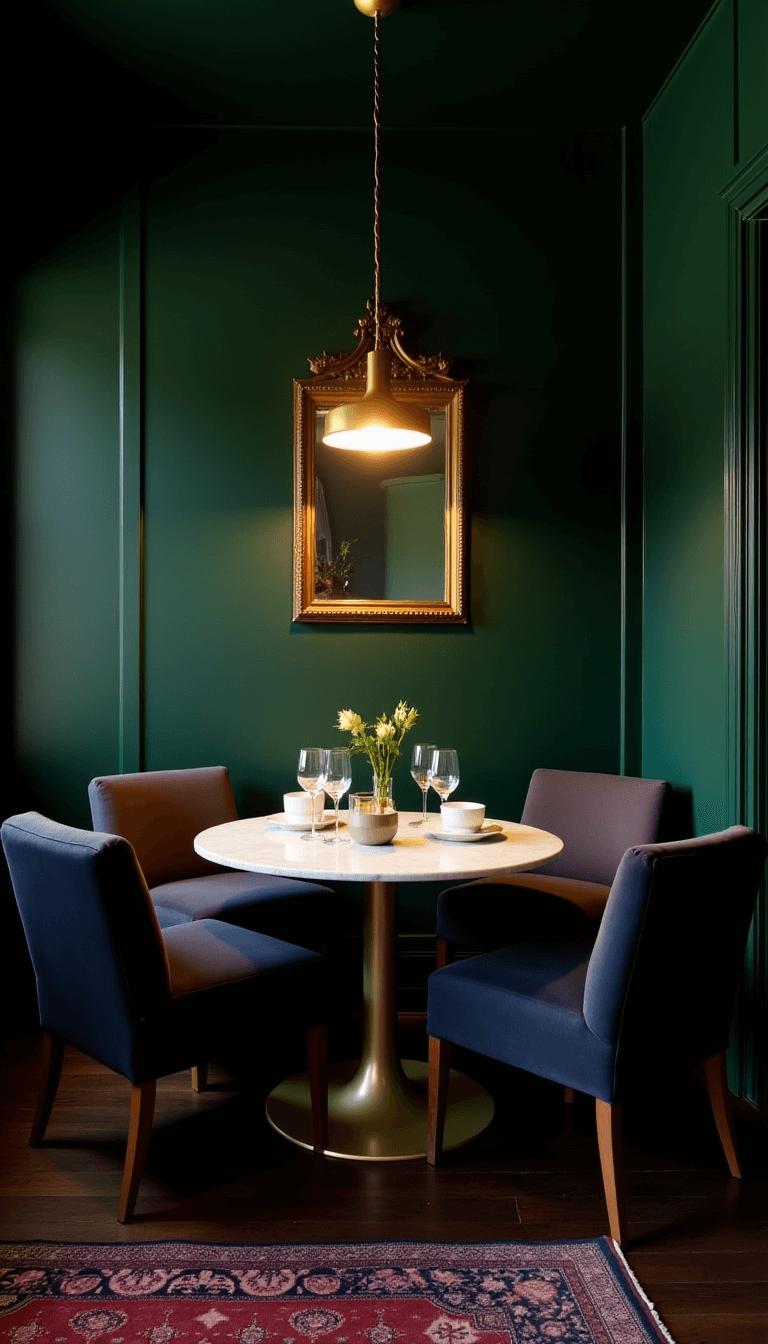
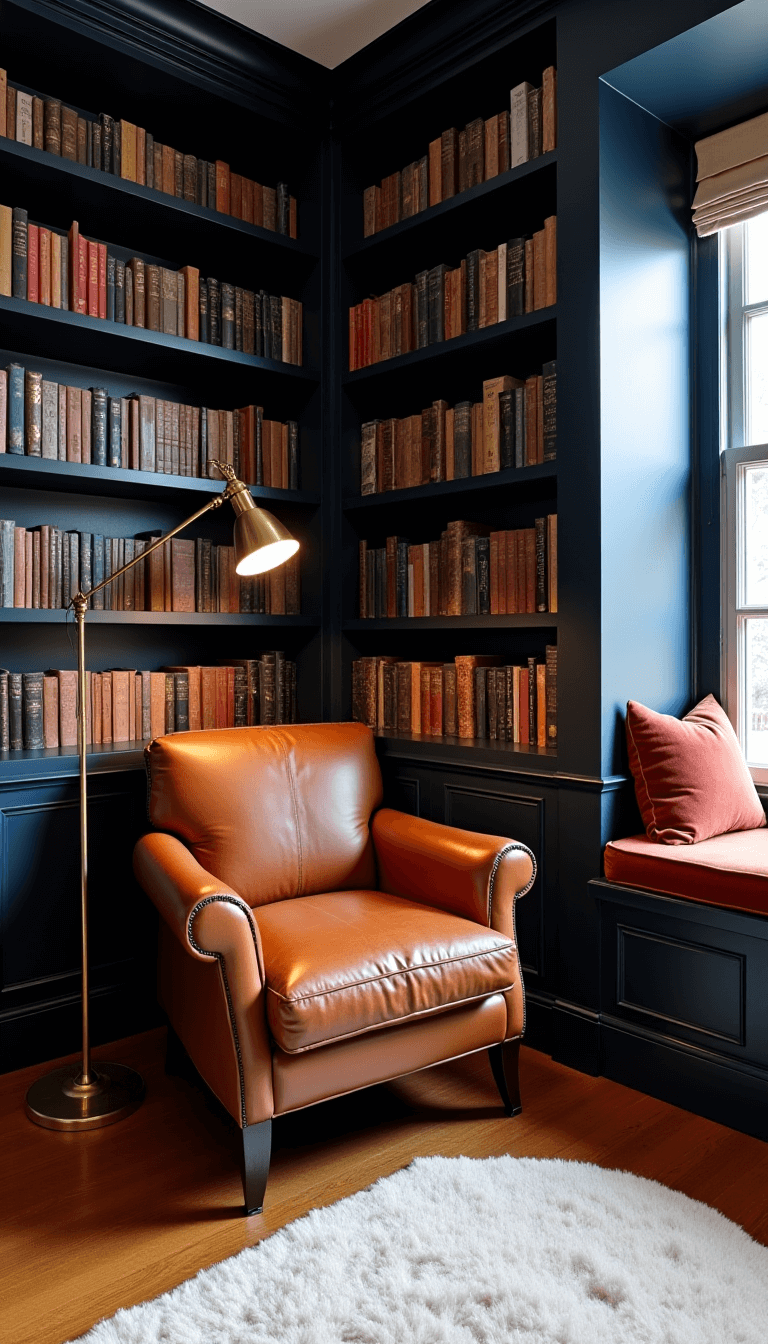
- Dark Colors = Intimate Drama
- Create depth when used strategically
- Blur boundaries subtly
- Add mysterious dimensionality
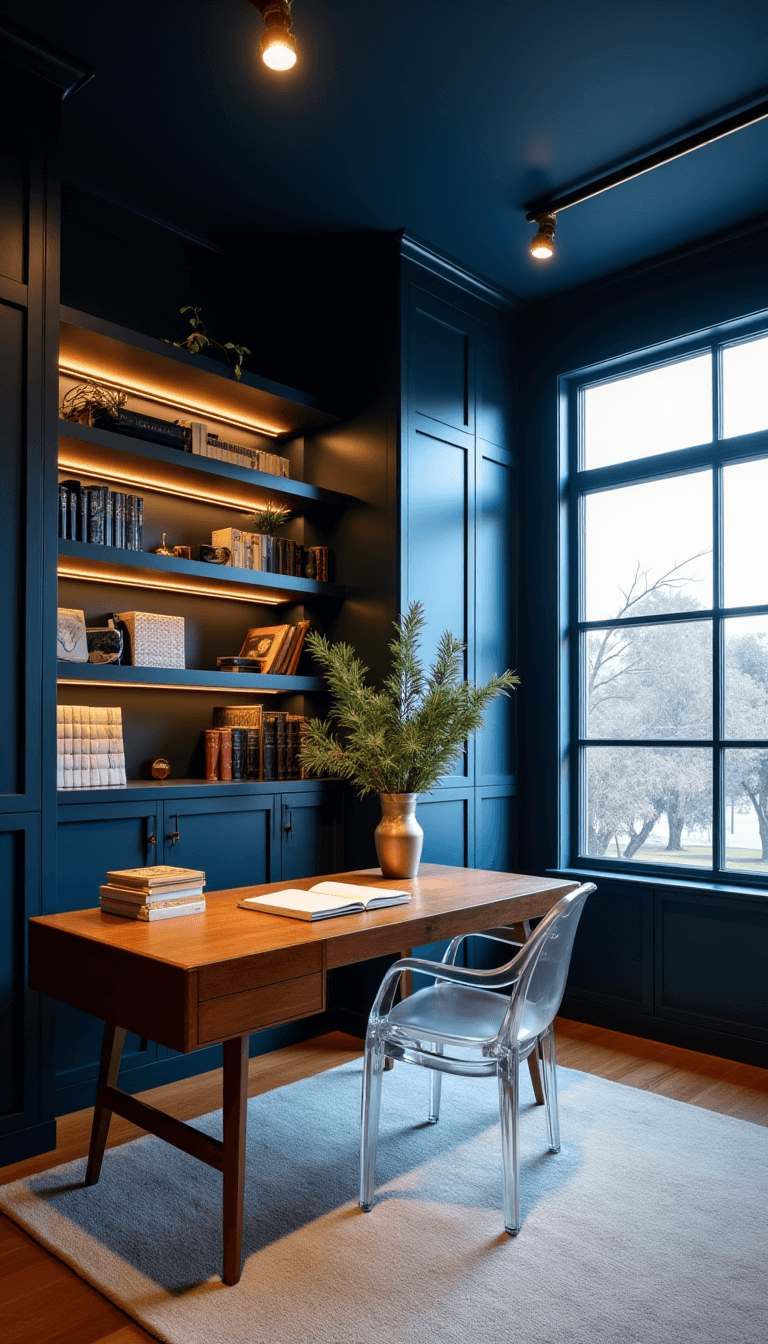
Lighting: The Invisible Architect
Lighting isn’t just about seeing – it’s about feeling space:
- Bright, even lighting eliminates shadow traps
- Cool temperatures (5000K-6500K) make rooms feel massive
- Warm temperatures (2700K-3500K) create cozy vibes
Pro Designer Tricks
- 🔹 Wall-wash your lighting
- 🔹 Use overhead fixtures to heighten ceilings
- 🔹 Play with directional accent lights
- 🔹 Choose light-colored fixtures for maximum reflection
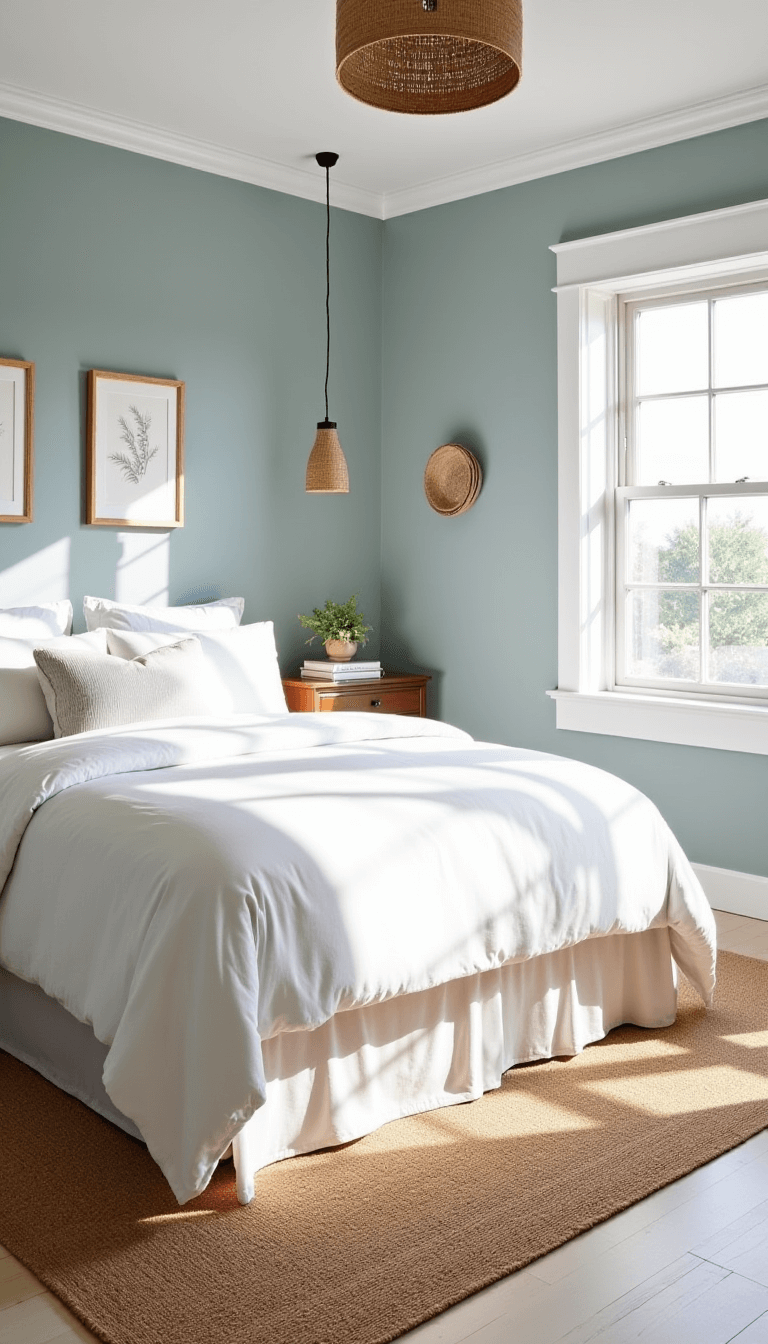
Quick Cheat Sheet: Space Expansion Techniques
- ✅ Light walls
- ✅ Cool lighting
- ✅ Even light distribution
- ✅ Minimal clutter
- ✅ Strategic color blocking
Warning: Overdoing any technique can backfire. Balance is key.
My Personal Hack: I once transformed my 500-square-foot apartment into what felt like a spacious loft using just these principles. No renovation required!
Remember, design is part science, part art, and 100% fun. Experiment, play, and make your space truly yours.
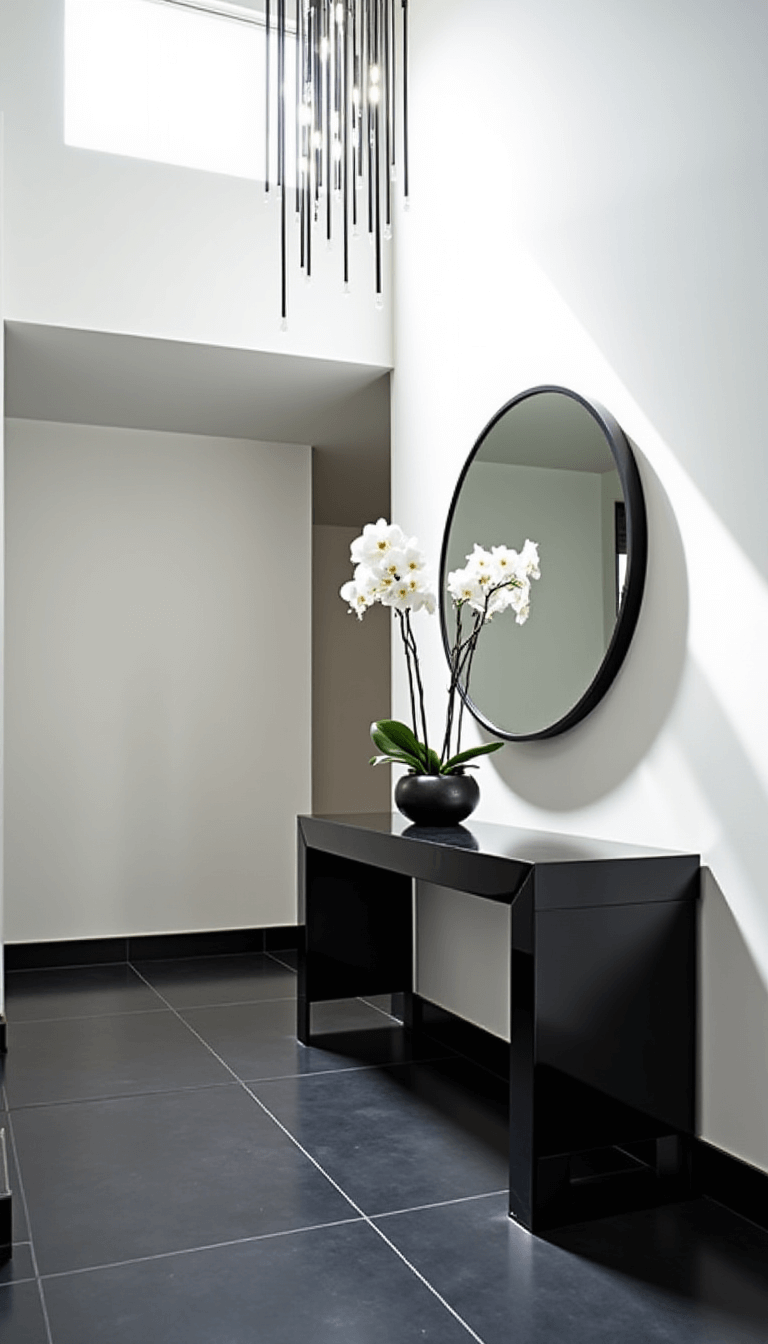
Paint the trim the same tone as the wall. This piece open the room more than a mirror.