
Wabi Sabi Restaurants: Embracing Culinary Simplicity and Imperfection
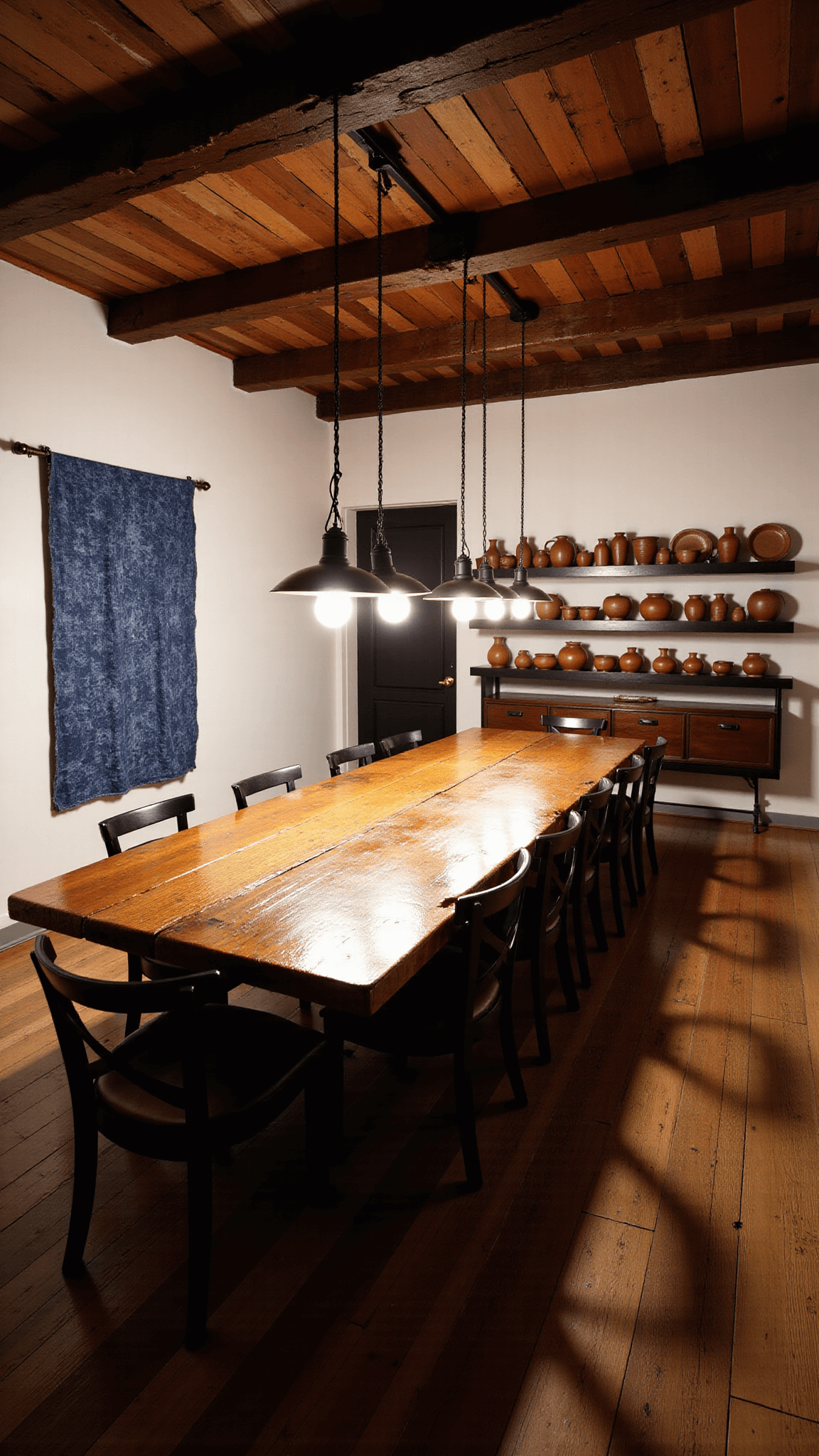
A Wabi sabi restaurant feels right when the wear is on purpose. Wabi sabi restaurant is raw plaster, one honest wood table, and light that moves.

What Makes Wabi Sabi Restaurants Unique?
Wabi Sabi isn’t just a restaurant name—it’s a culinary philosophy that transforms dining into an art form. These restaurants capture the essence of Japanese aesthetic principles, turning every meal into a sensory journey of simplicity and authenticity.
The Core Philosophy
Wabi Sabi Restaurants Celebrate:
- Natural, unrefined beauty
- Imperfection as a form of elegance
- Minimalist design and presentation
- Authentic, high-quality ingredients
- Mindful dining experiences

Design and Atmosphere: More Than Just a Meal
Walking into a Wabi Sabi restaurant feels like entering a zen sanctuary.
Signature Design Elements
- Minimalist interiors with organic materials
- Neutral color palettes
- Natural wood and stone accents
- Calm, uncluttered spaces
- Soft, ambient lighting

Culinary Approach: Simplicity on a Plate
Typical Menu Highlights
- Fresh sushi rolls
- Donburi (rice bowls)
- Delicate noodle dishes
- Locally sourced ingredients
- Carefully crafted small plates
“Our food tells a story of nature’s imperfect perfection.” – Typical Wabi Sabi Chef Philosophy

Top Wabi Sabi Restaurants Across the US
Notable Locations
- Wabi Sabi Sushi – Fort Worth, TX
- Wabi Sabi Miami – Miami, FL
- Sushi Wabi – Houston, TX
- Wabi Sabi – West Hartford, CT
- Wabi Sabi – Covington, KY

What to Expect During Your Visit
Dining Experience Highlights
- Atmosphere: Serene and minimalist
- Food: Authentically prepared, visually understated
- Beverages: Curated sake, craft cocktails
- Service: Mindful and unobtrusive

Pro Tips for Enjoying Wabi Sabi Dining
Maximize Your Experience:
- Embrace the philosophy of imperfection
- Take time to appreciate food presentation
- Try unfamiliar dishes
- Enjoy slow, mindful eating
- Appreciate subtle flavor nuances
Final Thoughts
Wabi Sabi restaurants offer more than a meal—they provide a holistic dining experience that connects you with Japanese culinary traditions and aesthetic principles.
Remember: Beauty exists in simplicity, and perfection is overrated.
Quick Recommendation
Leave one material unfinished. These pieces give the room a sense of time.


