What Exactly is Wabi Sabi Pottery?
Wabi sabi pottery is about the imperfect glaze, not the clean one. Wabi sabi pottery is a muted ground, one honest shape, and a spot that catches light.
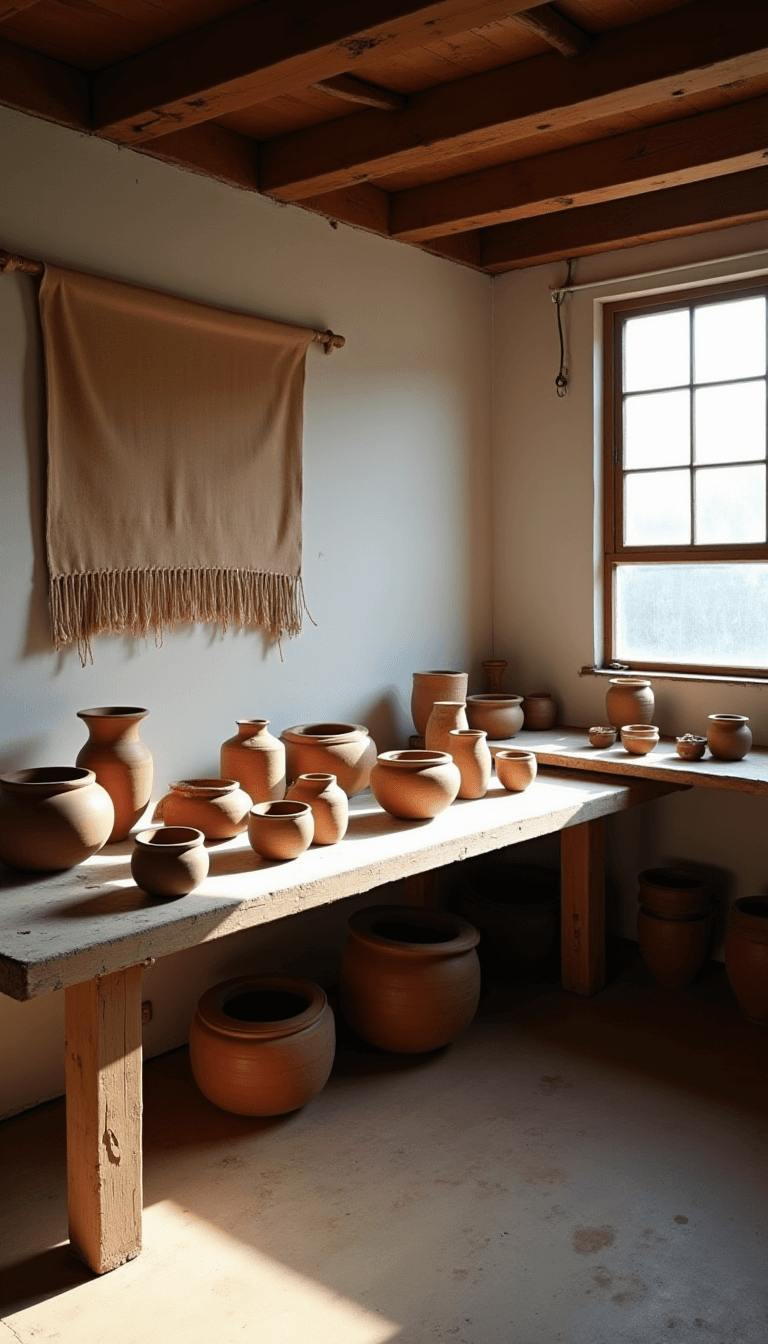
Core Principles
- Imperfection is perfection
- Natural materials rule
- Every “flaw” tells a story
- Authenticity over uniformity
The Soul of Wabi Sabi Design
Visual Characteristics
- Textures: Rough, organic, touchable
- Colors: Earthy neutrals
- Forms: Beautifully asymmetrical
- Technique: Handcrafted with intention
Signature Techniques
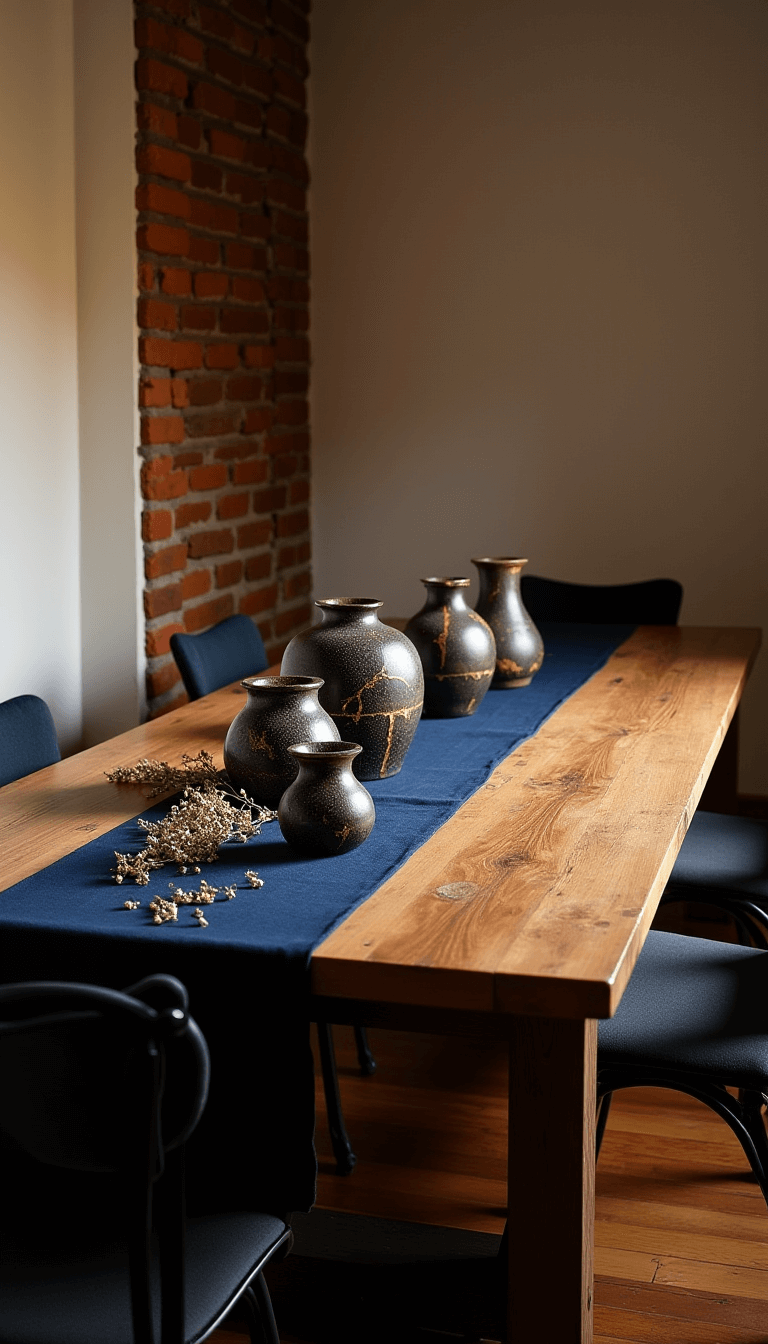
Kintsugi: The Art of Beautiful Repair
Broken doesn’t mean destroyed. Kintsugi transforms ceramic cracks into golden storytelling, literally highlighting damage as part of an object’s journey.
Who Falls in Love with Wabi Sabi?
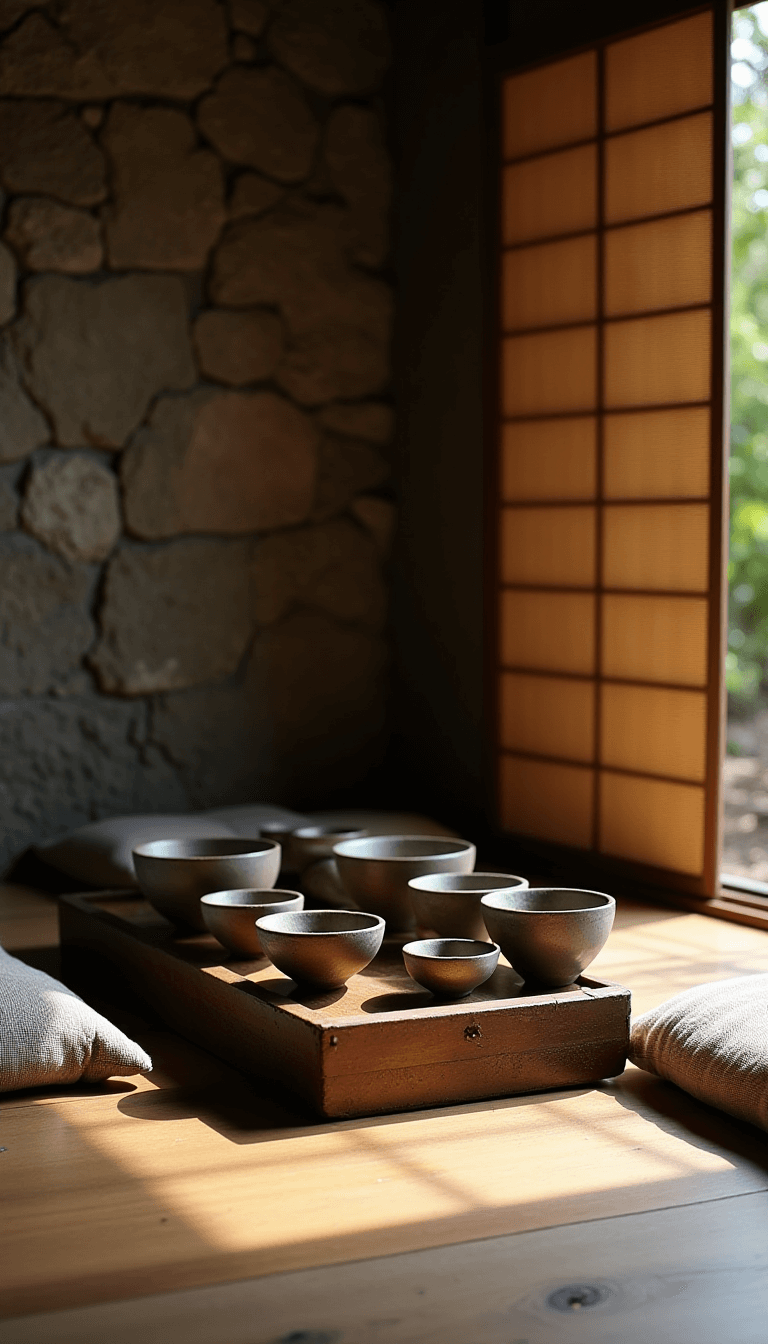
Perfect for:
- Minimalist design lovers
- Mindfulness practitioners
- Collectors of meaningful objects
- Those who appreciate handmade craftsmanship
Styling Wabi Sabi at Home
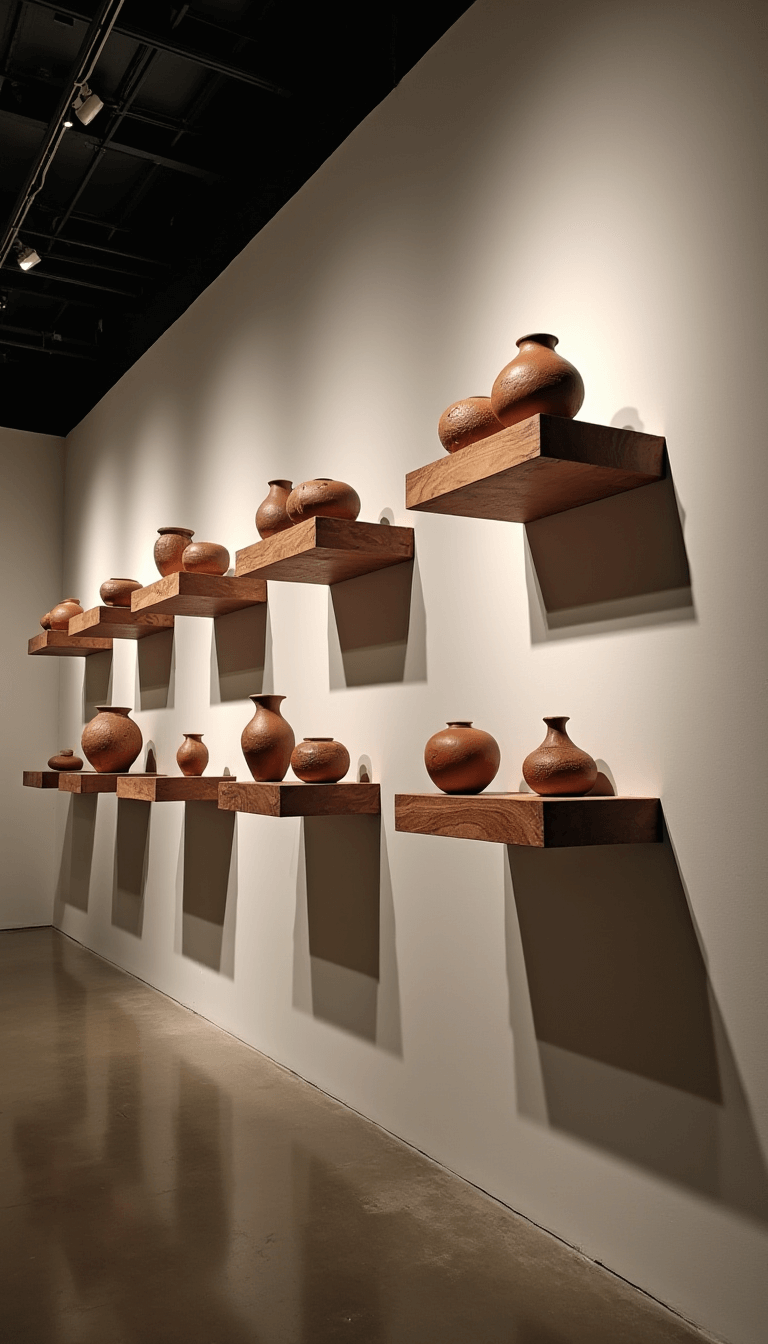
Pro Designer Tips
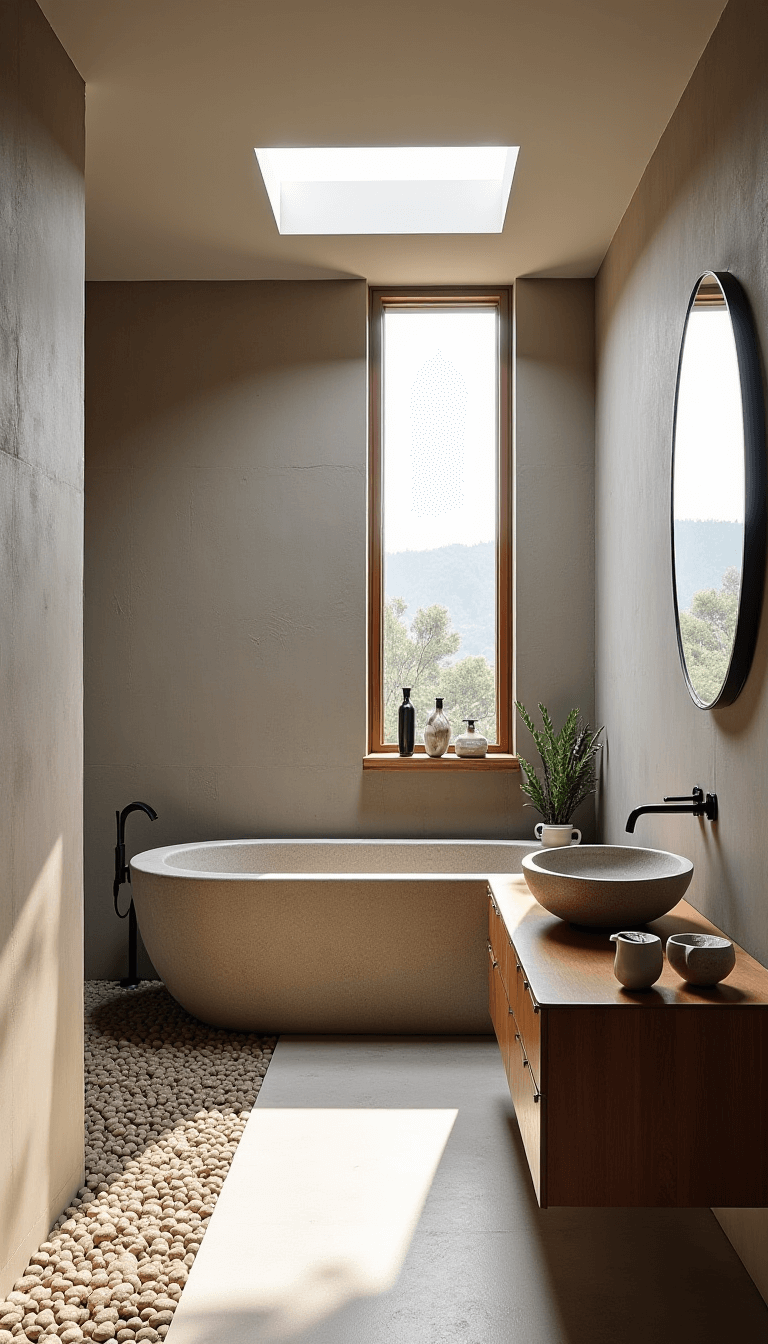
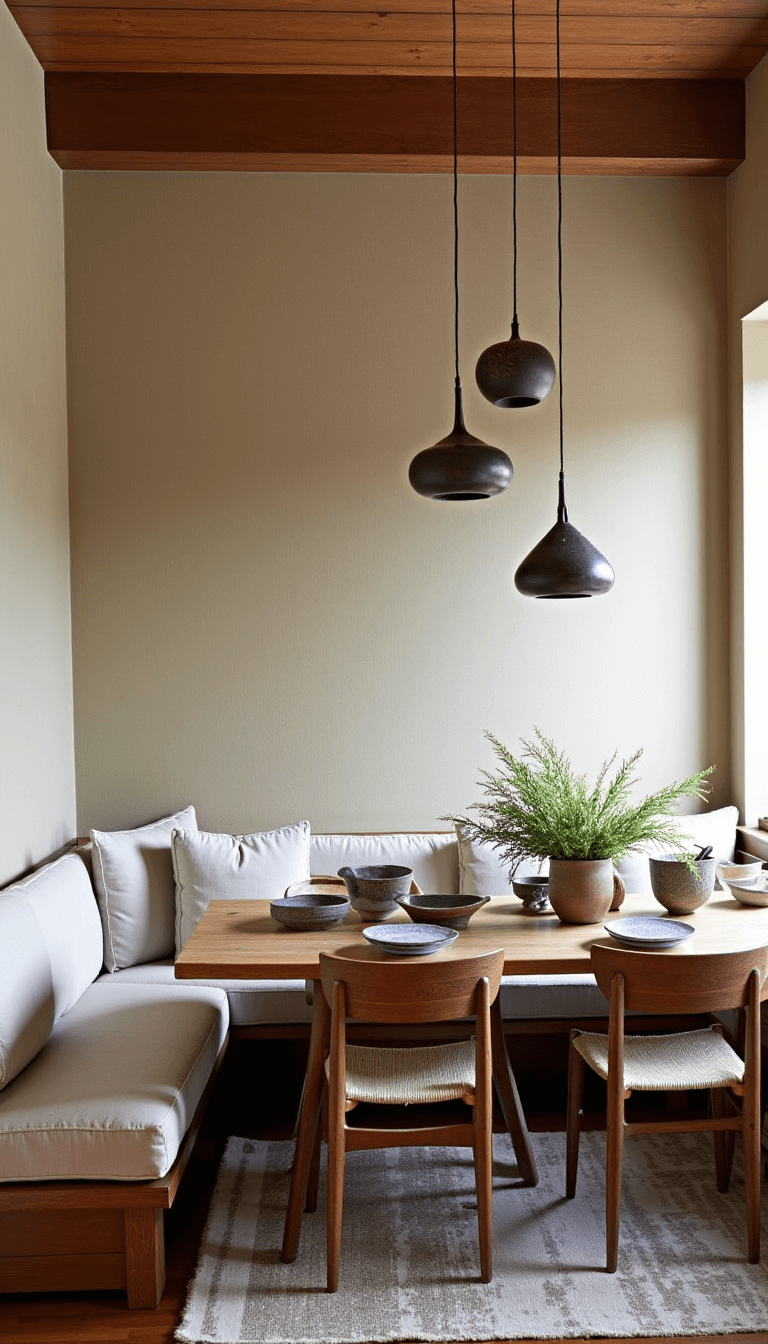
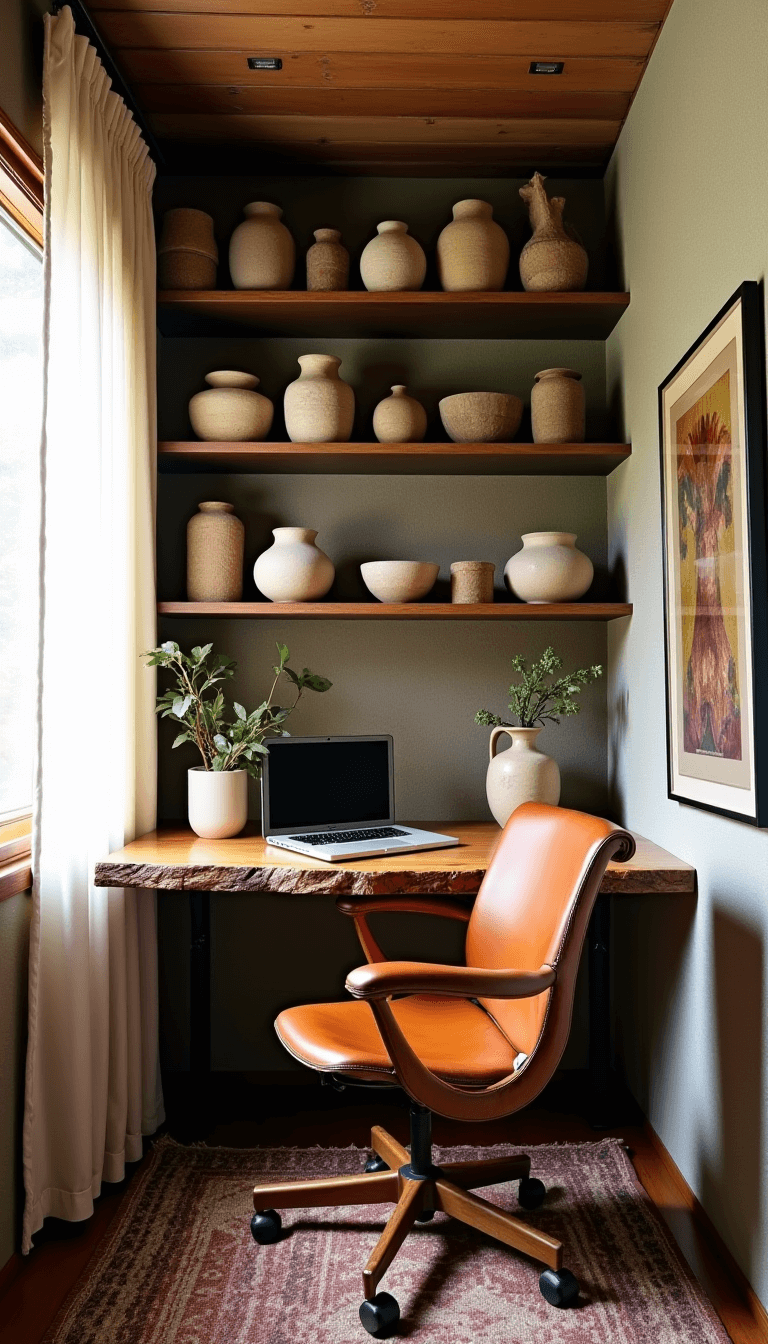
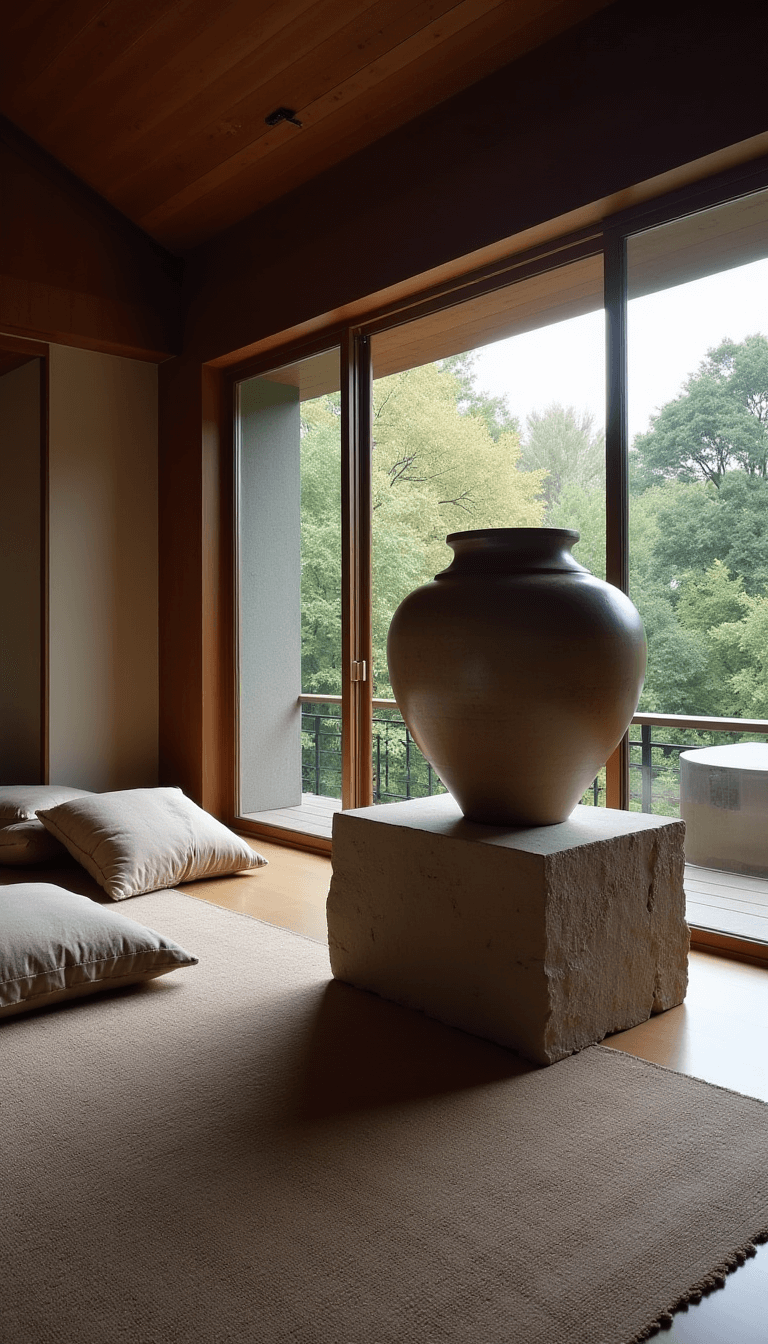
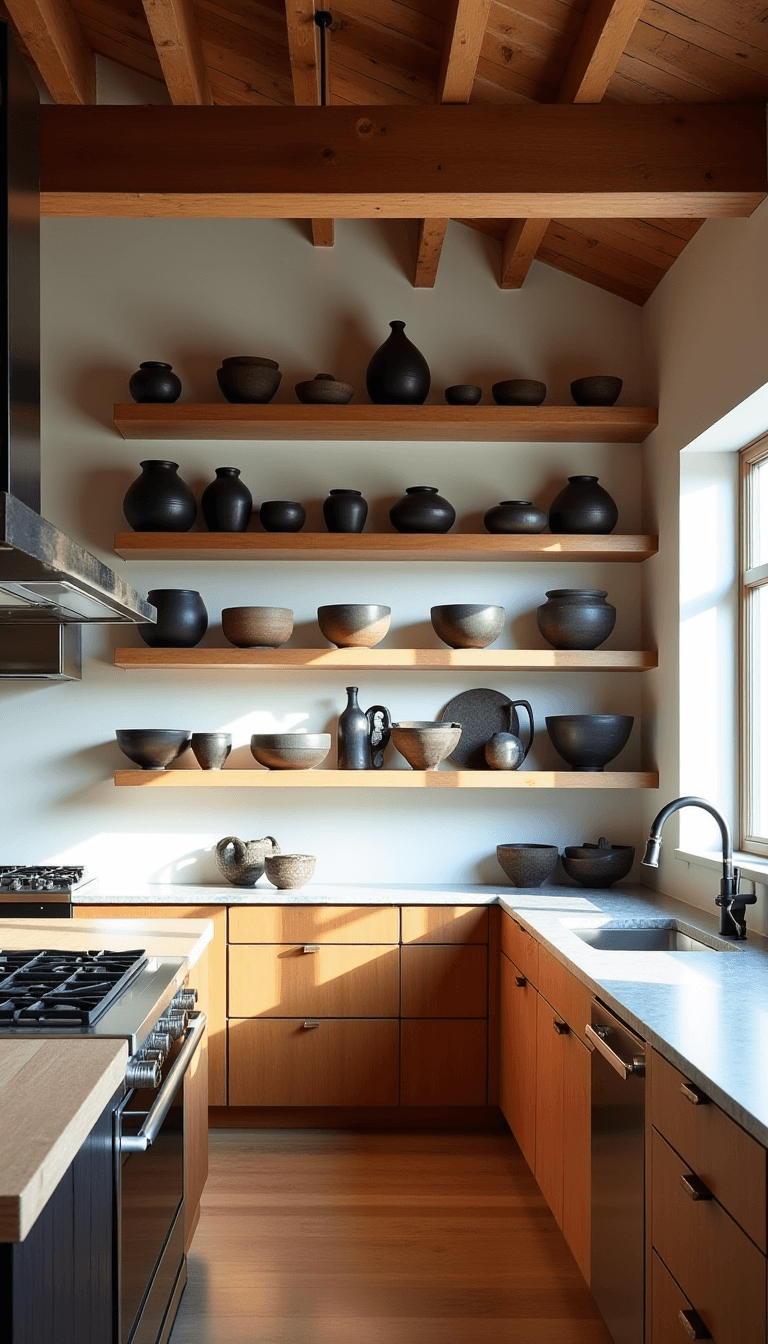
- Natural Pairings: Wood, stone, linen
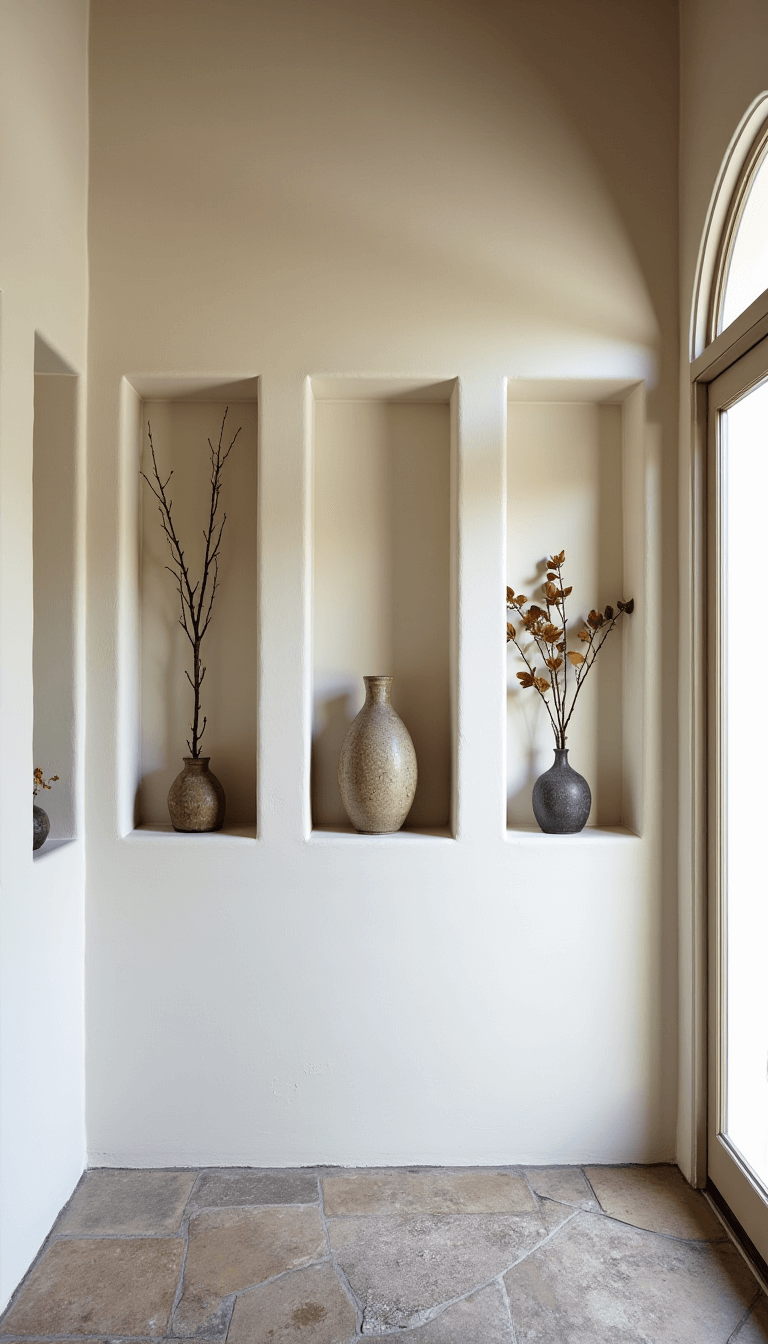
- Display Strategy: Create quiet moments of visual interest
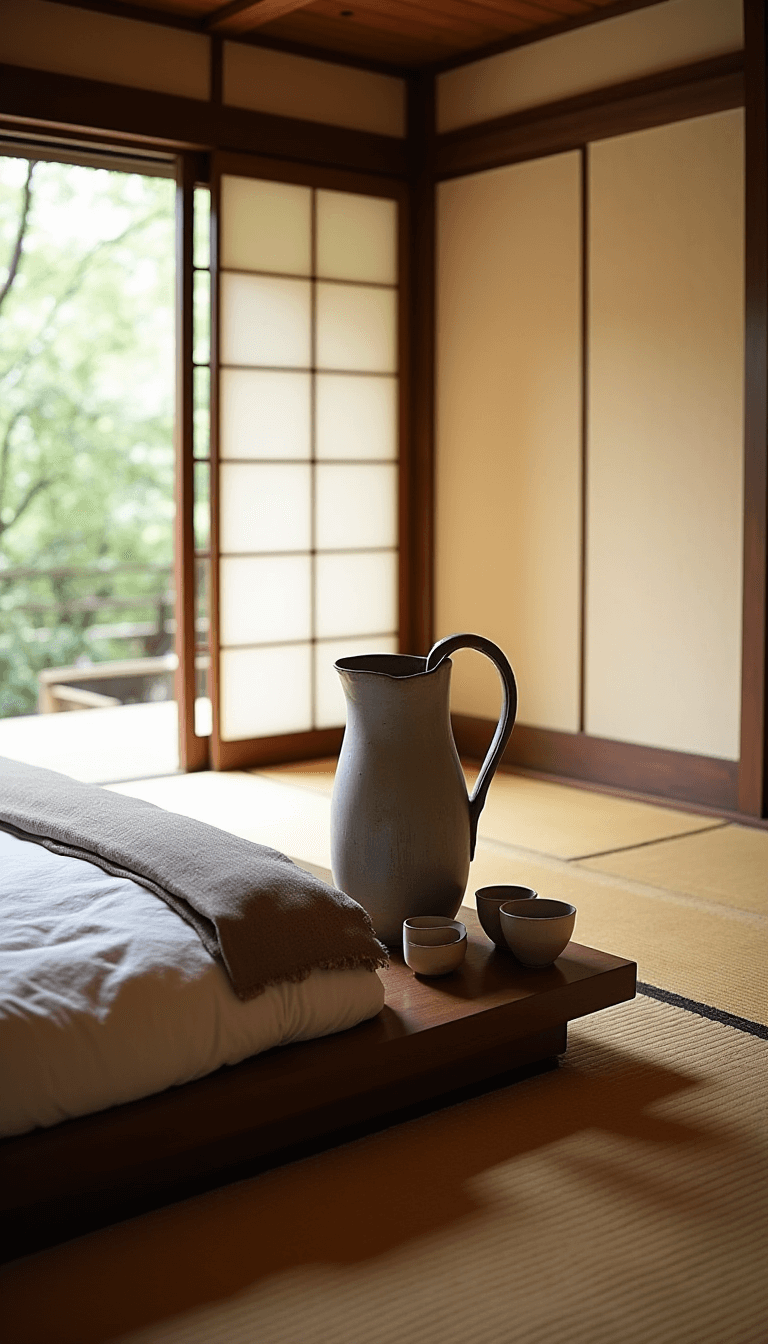
- Placement: Let each piece breathe and tell its story
Why Wabi Sabi Matters
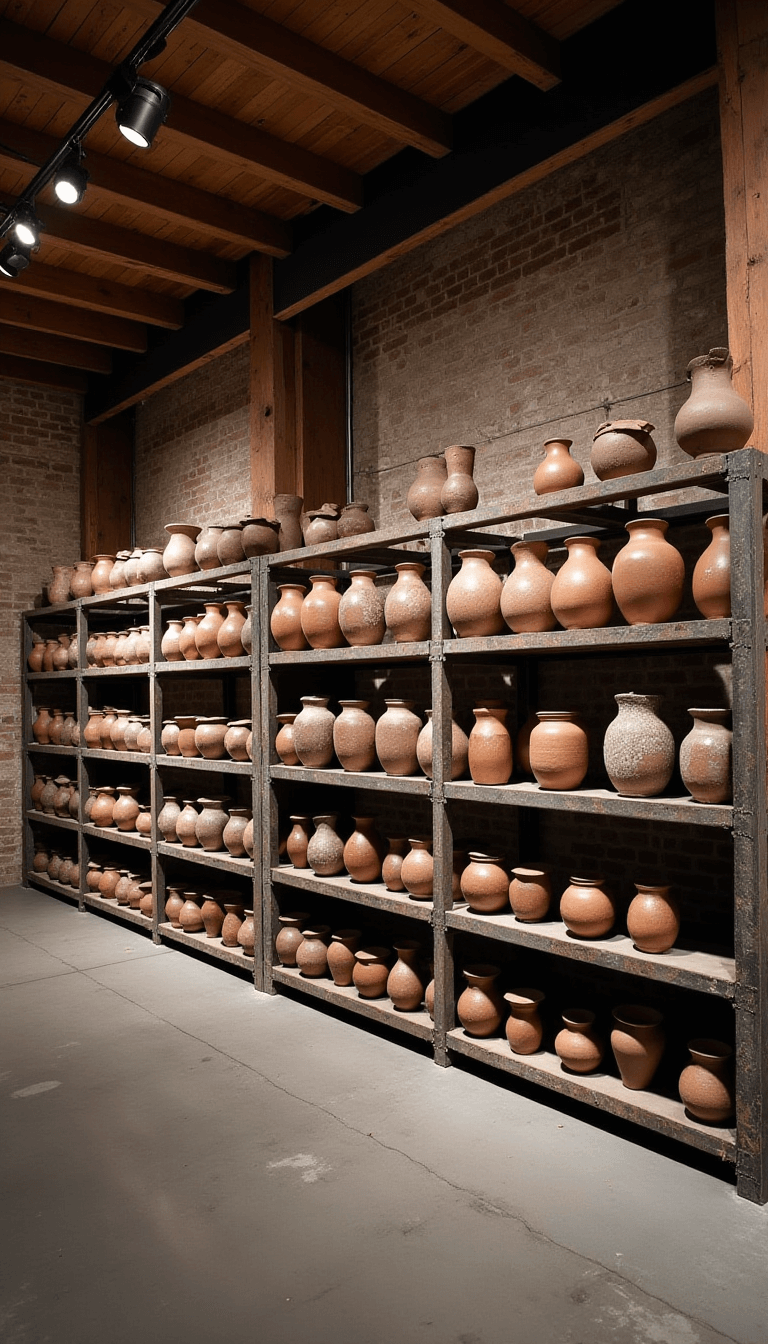
Let the flaw stay. This piece make the shelf feel quiet.
Quick Styling Cheat Sheet
- ✓ Choose handmade over mass-produced
- ✓ Embrace asymmetry
- ✓ Value natural materials
- ✓ Celebrate subtle variations